

Payload capacity and towing capacity are not the same thing, and confusing the two is one of the easiest ways to end up with the wrong truck-and-trailer combination. Towing capacity tells you how much loaded trailer weight the vehicle is designed to pull. Payload tells you how much weight the truck itself can carry.
That difference matters because the trailer still puts weight on the truck through the hitch. Passengers, tools, cargo, the hitch itself and the trailer's tongue or pin weight can all use up available payload before you reach the truck's advertised maximum towing capacity.
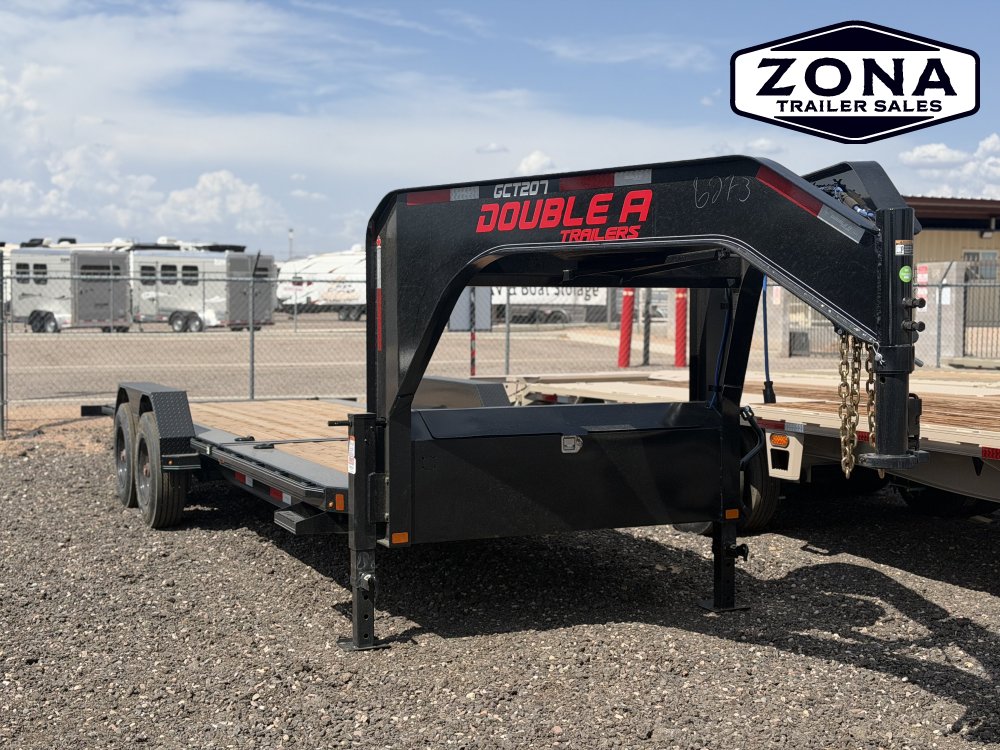
Check your truck's payload, towing and hitch ratings before choosing a trailer. Zona Trailer Sales can help you compare gooseneck horse trailers that fit the hauling you plan to do.
View Gooseneck Horse TrailersPayload vs Towing Capacity: The Simple Difference
Payload capacity is the amount of weight the tow vehicle itself can carry.
That can include:
- Driver and passengers
- Tools and cargo
- Aftermarket accessories
- A fifth-wheel or gooseneck hitch
- Tongue or pin weight from the trailer
Towing capacity is the maximum loaded trailer weight the vehicle is rated to tow when properly equipped.
Ford's current towing guidance makes the same distinction: payload is the allowable weight carried by the vehicle, while towing capacity refers to the loaded trailer weight the vehicle can tow. You can review the manufacturer's explanation in Ford's towing guidance.
The most important takeaway is that you need to stay within both limits. Being under the towing-capacity number does not automatically mean the combination is within payload limits.
What Does Payload Capacity Mean?
Payload is the weight your truck can carry in or on the vehicle.
A common way to understand the basic relationship is:
But do not rely on an online estimate when matching a real truck to a trailer.
Truck configurations vary by cab, bed, drivetrain, engine, trim, factory equipment and aftermarket additions. Check the labels on the actual vehicle and its owner's manual.
The driver's door or door-jamb area is especially important because that is where manufacturers place vehicle-specific weight information.
What Is Towing Capacity?
Towing capacity is the maximum trailer weight a tow vehicle is designed to pull when properly configured.
The number can change substantially between two trucks that look almost identical because towing ratings depend on equipment such as engine, axle ratio, drivetrain, cab configuration, wheelbase and towing packages.
That is why a generic statement such as "this model can tow X pounds" is not enough when you are buying a trailer.
Use the rating for the exact truck you own.
What Is GCWR?
GCWR stands for Gross Combined Weight Rating.
It is the manufacturer's maximum allowable combined weight of the loaded tow vehicle and loaded trailer.
In simple terms, GCWR looks at the entire combination rather than only the truck or only the trailer.
Do not confuse GCWR with trailer GVWR. Trailer GVWR is the maximum allowable loaded weight of the trailer itself. GCWR applies to the loaded truck and loaded trailer together.
Why Tongue Weight Counts Against Payload
This is where many towing calculations go wrong.
A trailer may sit mostly behind the truck, but some of its loaded weight is transferred onto the tow vehicle through the hitch.
With a bumper-pull trailer, this is generally called tongue weight.
With a gooseneck or fifth-wheel trailer, it may be called pin weight or hitch weight.
That downward load has to be carried by the tow vehicle, so it uses part of the available payload.
For example, if passengers, tools and cargo already use a significant portion of the truck's payload, the truck has less capacity remaining for the trailer's hitch load.
Before continuing with the examples below, Zona's guide to tongue weight explains how that load is measured and why load placement changes it.
Example 1: Half-Ton Truck and a 2-Horse Gooseneck
The numbers in this example are illustrative only. They do not represent a particular truck or trailer.
Suppose a truck has:
- 1,800 pounds of available payload
- A towing rating high enough for the loaded trailer
Now suppose the truck carries:
- 400 pounds of passengers
- 150 pounds of gear
- 100 pounds of hitch equipment
That uses 650 pounds of payload before the trailer's pin weight is added.
1,800 - 650 = 1,150 pounds of remaining payload
If the loaded gooseneck places more than that amount on the truck, the payload limit could be exceeded even if the trailer's total weight remains below the advertised towing capacity.
This is why buyers considering a gooseneck should look beyond the maximum tow number.
Example 2: Three-Quarter-Ton Truck and a Dump Trailer
Again, these are example numbers only.
Suppose a truck has 2,800 pounds of available payload before passengers and cargo are added.
The truck carries:
- 450 pounds of passengers
- 300 pounds of tools and equipment
That leaves:
2,800 - 750 = 2,050 pounds of remaining payload
The loaded dump trailer's hitch load must fit within the remaining capacity while also staying within the truck's hitch, axle, tire and other applicable ratings.
The amount of material in the trailer also matters. If you are comparing dump trailers, see Zona's guide to dump trailer weight and capacity.
Gooseneck vs Bumper Pull: Why Hitch Style Changes the Math
Bumper-pull and gooseneck trailers transfer weight to the tow vehicle differently.
A bumper-pull connects behind the rear axle through the receiver.
A gooseneck connects inside the truck bed, generally near or ahead of the rear axle.
Gooseneck and fifth-wheel trailers also commonly place a greater share of their loaded weight on the truck than conventional bumper-pull trailers.
That can make available payload and rear-axle capacity especially important when matching a truck to a larger horse, stock or equipment trailer.
Do not assume that moving from bumper pull to gooseneck automatically means the same truck can safely handle a much heavier trailer. Check the truck's actual ratings first.
Bring your truck's weight and towing information when you compare trailers so you can look at the full truck-and-trailer combination.
Compare Gooseneck Horse TrailersWhere Do You Find Your Truck's Payload and Towing Numbers?
Start with the actual truck, not a search result for the same model name.
Check:
- Driver's door or door-jamb labels: These contain vehicle-specific weight ratings and tire information.
- Owner's manual: Use it for towing procedures, limits and configuration-specific requirements.
- Manufacturer towing guide or VIN-based lookup: This can help identify towing and combination ratings for the specific vehicle.
- Hitch label: Check the actual receiver, gooseneck or fifth-wheel hitch rating.
- Scale weight: If you need to know what the truck really weighs loaded, use an appropriate vehicle scale.
Do not assume an advertised "maximum payload" or "maximum towing" figure applies to your exact truck. Those headline numbers often represent a particular configuration.
The Most Common Payload Mistake
The common mistake is checking only this:
"My truck can tow more than this trailer weighs, so I'm good."
That leaves out the weight the trailer puts on the truck.
You also need to account for the people, gear and equipment already in the vehicle.
A truck can therefore be under its trailer-towing limit while still exceeding payload, GVWR, rear GAWR or another rating.
Quick Checklist Before Buying a Trailer
- Check the exact truck's payload rating
- Check the truck's towing capacity
- Check GCWR
- Check front and rear axle ratings
- Check tire ratings
- Check the hitch or receiver rating
- Estimate or measure loaded tongue or pin weight
- Include passengers, tools and cargo in the truck
- Use the trailer's loaded weight, not only its empty weight
- Stay within every applicable rating, not just one of them
Horse Trailers Make Payload Especially Important
Horse-trailer weight can change considerably once horses, tack, feed, water and travel gear are added.
A larger gooseneck can also put substantial pin weight into the bed of the truck.
That means looking only at the trailer's empty weight does not tell you what the loaded combination will require.
If you are still estimating the trailer side of the equation, Zona's guide to how much a horse trailer weighs explains the factors that change loaded trailer weight.
Arizona Heat and Grades Add Another Reason to Match the Truck Correctly
Payload and towing ratings do not increase or decrease simply because you are driving in Arizona, but local conditions can make a poorly matched combination more noticeable.
Summer heat, long highway stretches and mountain grades can put additional demands on the tow vehicle's engine, transmission, cooling system and brakes.
A truck that is properly matched to the trailer gives you a better starting point before those conditions are added to the trip.
Match the Trailer to the Truck You Actually Own
Bring your truck's payload, towing and hitch information when you shop. Zona Trailer Sales can help you compare gooseneck horse trailers based on the hauling you need to do.
Browse Gooseneck Horse TrailersPayload vs Towing Capacity FAQs
Does tongue weight count toward payload?
Yes. The downward load a trailer places on the tow vehicle through the hitch uses part of the vehicle's available payload. Passengers, tools, cargo and hitch equipment also use payload.
What happens if I exceed payload?
Exceeding payload can also cause the vehicle to exceed its GVWR, axle or tire ratings. Too much load can affect braking, steering, suspension, tires and vehicle handling. Stay within the ratings specified for the actual vehicle.
Is towing capacity the same as GCWR?
No. Towing capacity refers to the trailer weight a vehicle is rated to tow. GCWR is the maximum allowable combined weight of the loaded tow vehicle and loaded trailer.
What truck do I need for a gooseneck horse trailer?
There is no single truck size that works for every gooseneck horse trailer. The answer depends on the trailer's loaded weight and pin weight, plus the truck's payload, towing capacity, GCWR, axle ratings, hitch rating and other limits. Check the actual truck and trailer rather than choosing by truck class alone.
Can a truck have enough towing capacity but not enough payload?
Yes. This is possible because trailer hitch weight, passengers and cargo all count against the truck's carrying capacity. Always check payload separately from the advertised towing number.
Where can I find my truck's payload capacity?
Start with the driver's door or door-jamb labels and the owner's manual for the specific truck. Manufacturer towing guides and VIN-based tools can also help identify configuration-specific ratings.
Use them to compare gooseneck horse trailers available through Zona Trailer Sales.
View Gooseneck Horse TrailersThe numerical examples in this article are illustrative only and do not represent the capacity of a specific truck or trailer. Actual towing limits depend on the vehicle configuration, trailer, hitch, cargo and operating conditions. Always use the ratings on the actual vehicle, owner's manual, hitch documentation and trailer VIN/compliance information.