
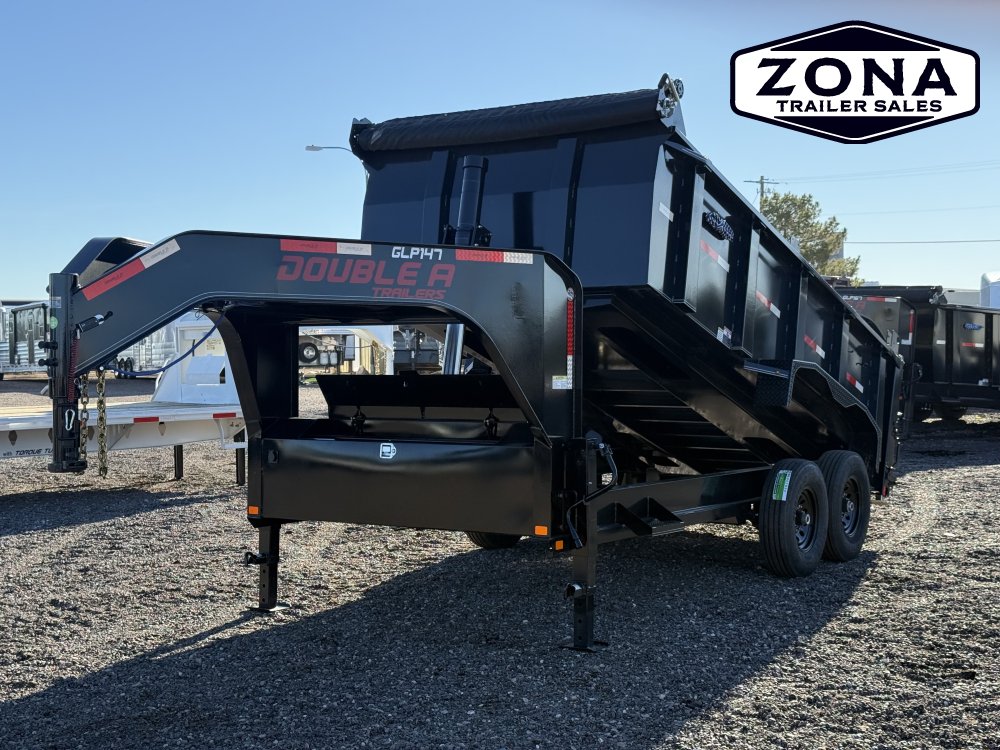
A deckover dump trailer places the dump body above the wheels, creating a wide, uninterrupted bed across the trailer. A low-profile dump places the bed lower between the wheels, which generally gives you a lower loading height and a lower center of gravity.
Neither design is automatically better. The right choice depends on what you haul, how you load it, whether you carry equipment, how important bed width is, and how much you value a lower deck height.
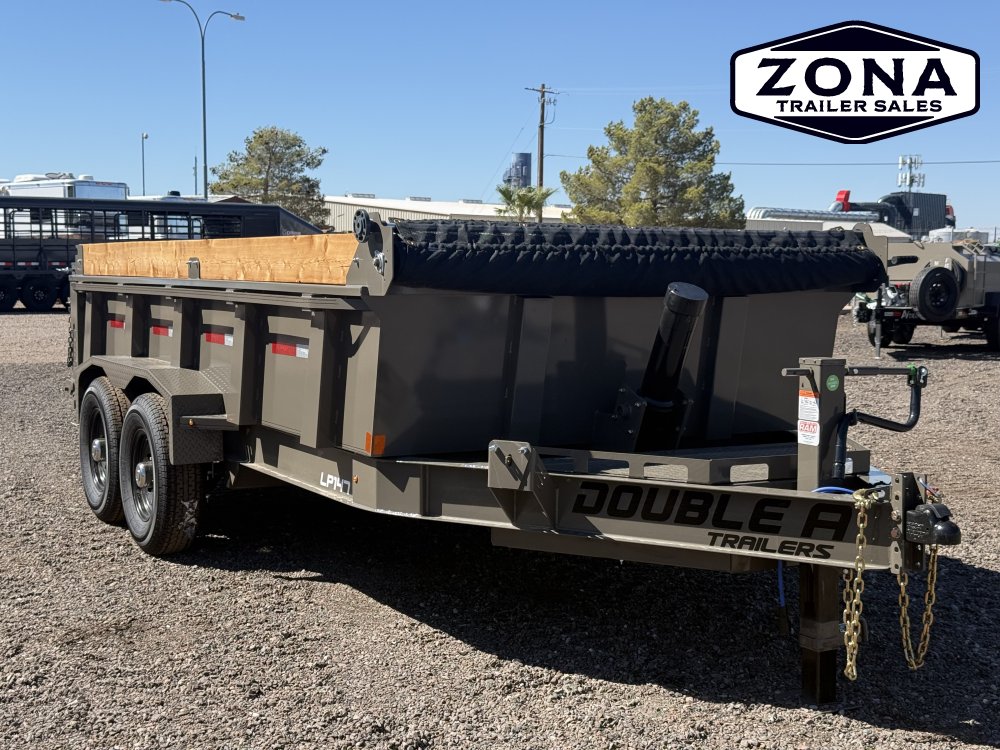
Compare current low-profile dump trailers at Zona Trailer Sales by size, capacity, hoist type and intended use.
Browse Dump TrailersWhat Is a Deckover Dump Trailer?
A deckover dump trailer positions the bed above the trailer wheels instead of between them.
Because the tires do not intrude into the bed area, the dump body can span across the trailer more continuously from side to side.
That wider, uninterrupted bed can be useful when hauling bulky material, pallets, equipment or other loads where additional usable width matters.
The tradeoff is height. Raising the body above the wheels also raises the loading surface and the center of gravity compared with many low-profile dump trailers.
What Is a Low-Profile Dump Trailer?
A low-profile dump trailer positions the bed lower between or around the wheels.
This design can make it easier to:
- Load material over the sides
- Drive smaller equipment into the bed
- Keep heavy material lower to the ground
- Reduce the height you have to climb when entering the bed
- Maintain a lower overall center of gravity
Low-profile dumps are especially common among contractors, landscapers and property owners who want easier loading and unloading without needing maximum bed width.
Deckover Dump vs Low-Profile Dump
| Feature | Deckover Dump | Low-Profile Dump |
|---|---|---|
| Bed Position | Above the wheels | Lower between or around the wheels |
| Usable Bed Width | Typically wider and uninterrupted | Usually narrower because the wheels affect bed placement |
| Loading Height | Higher | Lower |
| Center of Gravity | Higher | Lower |
| Side Access | Higher side loading point | Easier to reach over the sides |
| Best Fit | Bulky loads, wide cargo, certain equipment and farm use | Landscaping, construction, debris, property work and frequent loading |
The main decision usually comes down to whether you value maximum bed width or easier access to a lower bed.
Advantages of a Deckover Dump Trailer
A deckover dump trailer can make sense when width and uninterrupted bed space matter more than having the lowest possible deck.
Potential advantages include:
- Wider usable bed: The wheels do not intrude into the dump body.
- More flexible cargo placement: Wider loads can be easier to position.
- Good for bulky material: The full-width body can be useful for loose or irregular loads.
- More open deck area: Certain equipment and palletized loads may benefit from fewer side-to-side restrictions.
- Potentially useful for farm and commercial applications where width matters more than loading height.
Those advantages only matter if the higher deck does not create a problem for the way you load and use the trailer.
Disadvantages of a Deckover Dump Trailer
The same design that creates more bed width also creates tradeoffs.
Potential disadvantages include:
- Higher loading height
- Higher center of gravity
- More effort when loading material over the side
- Potentially steeper equipment loading angle
- Less convenient access for users frequently climbing into or reaching across the bed
For many day-to-day landscaping and construction jobs, those tradeoffs can be more important than the extra bed width.
Why Low-Profile Dump Trailers Are So Common
Low-profile dump trailers are popular because they make everyday loading easier.
A lower bed can help when you are:
- Loading brush or debris by hand
- Using a skid steer or compact loader
- Moving landscaping material
- Loading construction debris
- Hauling dirt, rock or mulch
- Entering the bed frequently during a workday
The lower center of gravity can also be an advantage when hauling dense materials, assuming the load is distributed correctly and kept within the trailer's ratings.
Which Is Better for Landscapers?
For many landscaping crews, a low-profile dump is the more practical choice.
Landscapers frequently load and unload mulch, soil, brush, rock and debris throughout the day. A lower bed makes it easier to reach over the sides and can simplify equipment loading.
A deckover dump may still make sense if you regularly haul wider material or need the extra uninterrupted bed width.
If you are comparing trailer types around daily landscaping work, Zona's guide to the best dump trailers for contractors provides a broader comparison.
Which Is Better for Contractors?
Contractors may benefit from either configuration depending on the type of work they do.
A low-profile dump can be useful for:
- Demolition debris
- Roofing tear-off
- Jobsite cleanup
- Material transport
- Compact equipment
A deckover dump may appeal more to buyers who regularly move wider loads or want more uninterrupted bed area.
Which Is Better for Farm and Ranch Use?
Farm and ranch buyers often have different priorities than residential or construction users.
A deckover dump can be attractive when hauling:
- Bulk feed or material
- Palletized supplies
- Equipment
- Fencing material
- Other wide or bulky loads
A low-profile dump may still be better when easier side loading or a lower equipment-loading angle matters more.
Which Is Better for Homeowners?
Most homeowners do not need the extra width of a deckover dump.
For property cleanup, landscaping, firewood, brush, gravel or small equipment, a low-profile dump is often easier to live with.
The lower bed is generally easier to load by hand and easier to access when working around the property.
Can You Haul Equipment on a Dump Trailer?
Yes, some dump trailers can be used to haul equipment when the trailer's design, loading system, bed dimensions and payload are appropriate for the machine.
Before loading equipment, verify:
- Trailer GVWR
- Available payload
- Equipment operating weight
- Bed dimensions
- Ramp or loading system capacity
- Tie-down points
- Weight distribution
Zona's guide to dump trailer sizes and capacity explains how trailer size, payload and GVWR work together.
Does the Hoist Type Matter?
Deck style and hoist style are separate decisions.
The deck determines where the dump body sits relative to the wheels.
The hoist determines how the bed is raised.
Dump trailers may use different lifting systems, and each has its own operating characteristics.
If you are comparing lifting systems, Zona's guide to telescopic vs scissor hoists explains the difference without mixing it into the deck-height decision.
GVWR and Payload Matter More Than Bed Style
A wide deck is not useful if the trailer cannot safely carry the material you need to haul.
Always compare the trailer's GVWR, empty weight and available payload before choosing based on deck style.
Dense loads such as rock, dirt or demolition material can reach a trailer's payload limit before the bed looks full.
That is why weight capacity should be part of the decision from the beginning, not something checked after purchase.
How Deckover Dumps Compare With Other Deckover Trailers
The basic deckover concept is the same across several trailer categories: the deck sits above the wheels to create a wider, uninterrupted surface.
But a deckover equipment trailer and a deckover dump trailer solve different problems.
An equipment trailer prioritizes a flat hauling deck, while a dump trailer adds a hydraulic dumping body and higher sides.
Zona's deckover trailer buying guide covers the broader deckover design in more detail.
Compare current low-profile dump trailers at Zona Trailer Sales by size, capacity, axle setup and hoist design.
See Dump Trailers for SaleWhat Does Zona Trailer Sales Stock?
At the time this guide was prepared, Zona Trailer Sales' current dump inventory was made up of low-profile-style dump trailers rather than deckover dump trailers.
That reflects what many contractors, landscapers and property owners commonly shop for because a lower bed can make daily loading and unloading easier.
Inventory changes regularly, so check the current dump category rather than assuming the same configurations will always be available.
How Much Does the Configuration Affect Price?
Deck style is only one factor in dump trailer pricing.
Price can also change based on:
- Trailer size
- GVWR
- Axle configuration
- Hoist system
- Material and construction
- Side height
- Ramps and equipment-loading features
- Options and accessories
If price is part of your comparison, Zona's guide to what a dump trailer costs explains the major factors that affect the purchase price.
Deckover Dump or Low-Profile Dump: Which Should You Buy?
Choose based on how the trailer will actually be used.
- You need the widest possible uninterrupted bed
- You regularly haul wide or bulky material
- Bed width matters more than loading height
- You are comfortable working with a higher deck
- You frequently load material over the sides
- You haul compact equipment
- You want a lower center of gravity
- You climb into the bed regularly
- You want a practical all-around trailer for construction, landscaping or property work
Neither configuration is universally better. The better trailer is the one that matches your load, equipment and daily workflow.
Compare Dump Trailers at Zona Trailer Sales
See dump trailers for sale at Zona Trailer Sales and compare current sizes, capacities and configurations.
Browse Dump TrailersDeckover Dump Trailer FAQs
What is a deckover dump trailer?
A deckover dump trailer places the dump body above the wheels, creating a wider and more uninterrupted bed. The tradeoff is a higher loading surface and higher center of gravity compared with many low-profile dump trailers.
Is a deckover dump better than a low-profile dump?
Not automatically. A deckover dump can provide more bed width, while a low-profile dump usually provides easier side access, a lower loading surface and a lower center of gravity. The better choice depends on what you haul and how you load it.
Are deckover dump trailers less stable?
A deckover design places the load higher than a comparable low-profile design, which affects the trailer's center of gravity. Stability still depends on proper loading, weight distribution, speed, tires, suspension, trailer design and staying within the trailer's ratings.
Can you haul equipment on a dump trailer?
Yes, when the trailer is designed and rated for the equipment being hauled. Verify payload, bed dimensions, loading equipment, tie-down points and weight distribution before loading a machine.
Why are low-profile dump trailers popular?
They provide a lower bed that is easier to load from the sides, easier to access by hand and often more convenient for compact equipment, landscaping material and construction debris.
Does Zona Trailer Sales currently have deckover dump trailers?
At the time this guide was prepared, current Zona Trailer Sales dump inventory consisted of low-profile-style dump trailers rather than deckover dumps. Inventory changes, so check current listings for the latest availability.
Compare current dump trailers at Zona Trailer Sales by size, payload, deck height and hauling needs.
View Dump Trailer InventoryDump trailer dimensions, deck heights, bed widths, payload ratings and configurations vary by manufacturer and model. Always verify the specifications of the individual trailer before purchasing or loading equipment.