
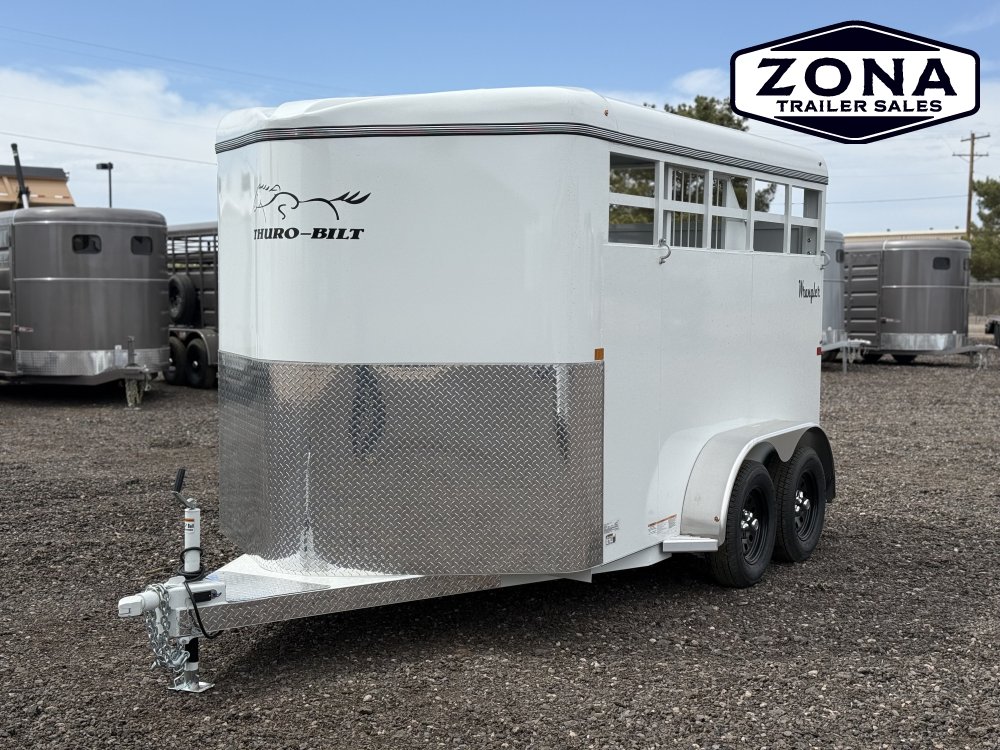
Slant load vs. straight load horse trailer is one of the most common layout decisions horse owners face when shopping for a trailer.
Neither layout is automatically better for every horse or every buyer. The right choice depends on your horses, how many you haul, their size and temperament, how you load and unload, how much tack space you need, and the overall trailer configuration.
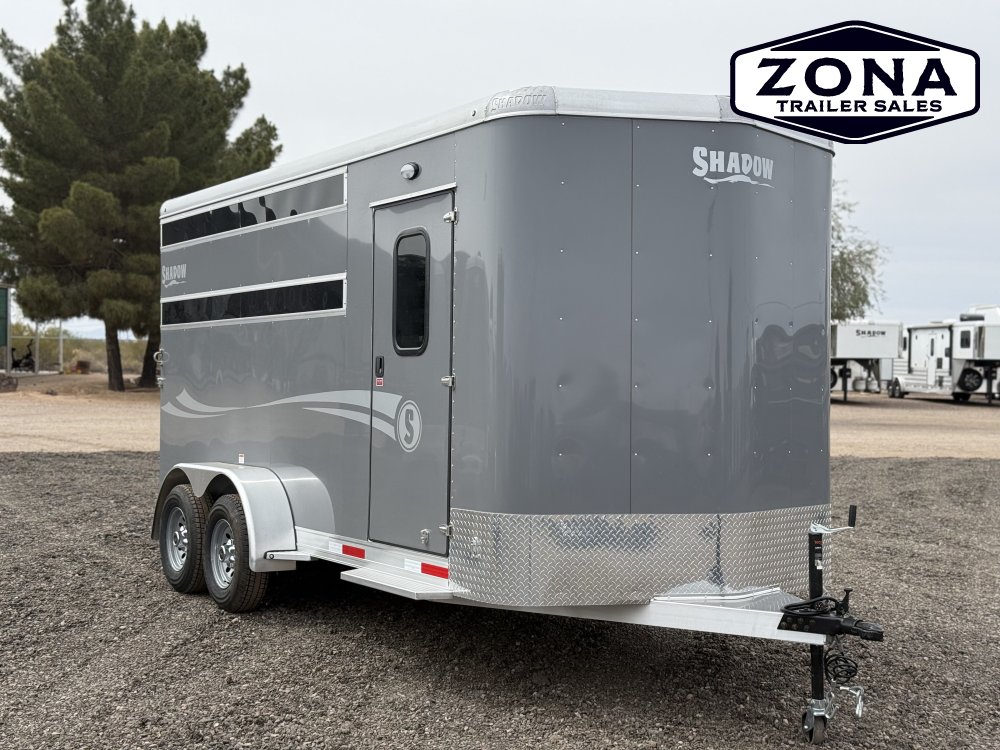
Zona Trailer Sales carries horse trailers in multiple layouts, materials and horse capacities, so you can compare slant-load and other configurations based on the horses you actually haul.
Shop Horse TrailersWhat Is a Slant Load Horse Trailer?
In a slant load horse trailer, the horses stand at an angle rather than facing directly forward.
The diagonal stall arrangement allows manufacturers to fit multiple horses into the trailer while creating different options for tack storage, rear tack areas, dressing rooms and other features.
Slant loads are especially common in larger horse trailers and gooseneck configurations, although bumper-pull slant trailers are also widely available.
What Is a Straight Load Horse Trailer?
In a straight load horse trailer, the horses generally stand parallel with the trailer and face forward.
Straight-load layouts are especially common in smaller two-horse trailers, where each horse has a dedicated stall positioned side by side.
Many straight-load trailers use a rear ramp or step-up loading arrangement and may include a front escape door or side unloading option depending on the trailer.
Slant Load vs. Straight Load: Quick Comparison
| Consideration | Slant Load | Straight Load |
|---|---|---|
| Horse Position | Horses stand diagonally | Horses generally face forward |
| Common Capacity | Common in 2, 3, 4-horse and larger trailers | Especially common in 2-horse trailers |
| Tack Storage | Often allows rear tack or additional storage configurations | Storage depends heavily on trailer design |
| Horse Length | Stall length and diagonal width must fit the horse | Horse has a more direct front-to-back stall |
| Loading | Horses are typically loaded into individual diagonal stalls | Horses generally load straight forward into individual stalls |
| Best Choice | Depends on horse size, number of horses, storage needs and trailer design | Depends on horse size, number of horses, loading preference and trailer design |
Is a Slant Load or Straight Load Safer?
There is not strong evidence showing that one layout is automatically safer than the other in every situation.
The University of Maryland Extension notes that there is very little research supporting the idea that one load type is preferred or safer than the other. Instead, the choice is influenced by factors such as personal preference and how many horses the trailer needs to accommodate.
For additional guidance on trailer layouts, horse fit, construction, loading and trailer selection, review the University of Maryland Extension guide to selecting a horse trailer .
The condition and design of the actual trailer matter more than choosing a layout based only on the words "slant" or "straight."
Which Layout Gives a Horse More Room?
This is where buyers need to look beyond the trailer's advertised horse count.
A trailer may be marketed as a two-horse, three-horse or four-horse trailer, but the actual stall dimensions determine whether your horses have enough room.
In a slant-load trailer, the diagonal stall must provide enough usable length and width for the horse to stand comfortably.
Larger horses may need more stall length, width and interior height than a compact slant-load design provides.
Straight-load trailers can provide a more direct stall length, which some owners prefer for larger horses, but the actual interior measurements still matter.
Horse Size Matters More Than the Trailer Label
Two horses of the same breed can differ significantly in height, body length and width.
When shopping, measure the horse rather than assuming that a standard stall will fit.
- Interior trailer height
- Usable stall length
- Stall width
- Divider placement
- Chest and butt clearance where applicable
- Door and loading opening dimensions
- Space for the horse to maintain a comfortable stance during transport
This becomes especially important when hauling Warmbloods, draft crosses or other larger-bodied horses.
Which Is Better for Two Horses?
Two-horse buyers have good options in both layouts.
Straight-load two-horse trailers are common and give each horse a dedicated front-to-back stall.
Two-horse slant trailers can offer different storage and interior-layout options while keeping the trailer relatively compact.
For two horses, the decision may come down to the size of the horses, tow vehicle, tack requirements, loading preference and the actual dimensions of the trailer.
Which Is Better for Three or Four Horses?
Slant-load layouts become especially common as horse capacity increases.
Positioning horses diagonally can allow manufacturers to create three-horse, four-horse and larger configurations with individual dividers and additional storage options.
That does not mean every slant-load trailer is automatically appropriate for every group of horses.
As horse count increases, carefully compare stall dimensions, trailer length, GVWR, payload, ventilation and your tow vehicle's ratings.
Loading and Unloading: What Should You Consider?
Horse behavior matters.
Some horses are comfortable walking into an individual slant stall. Others may be more comfortable loading into a straight stall.
Regardless of layout, handlers need enough room to load, secure and unload the horse without becoming trapped between the animal, a divider and the trailer wall.
The University of Maryland Extension specifically notes that one concern with some slant-load designs is the possibility of a handler becoming trapped between the horse and the exit while loading and tying.
Look at the actual door arrangement, divider design, escape doors and unloading process before deciding which trailer feels safer and easier for you to use.
Rear Tack and Storage
Storage is one area where slant-load trailers often provide attractive options.
The diagonal stall arrangement can create usable space toward the rear of the trailer that manufacturers may configure as a rear tack area.
That can provide room for saddles, bridles, blankets, grooming equipment and other gear without using the horse compartment.
Straight-load trailers can also include tack and dressing areas, but the available storage depends on the overall trailer design rather than the stall direction alone.
What About Reverse Slant Load Trailers?
A reverse slant trailer places the horses on an angle that differs from the traditional slant orientation.
Buyers may encounter claims that one orientation is more natural or more comfortable for horses, but trailer design, stall dimensions, footing, suspension, driving style and the individual horse all influence how well an animal travels.
If you're comparing a reverse slant with a traditional slant, focus on the usable dimensions and how your horses fit rather than assuming orientation alone determines comfort.
Slant Load vs. Straight Load for Larger Horses
Larger horses require more attention to actual stall dimensions.
A slant stall that works well for an average-sized horse may be too short or narrow for a larger Warmblood or draft cross.
Likewise, a straight-load trailer still needs sufficient interior height, width and stall length.
This is why measuring the horse and checking the trailer's actual interior specifications is more useful than choosing a layout based on reputation alone.
Bumper Pull or Gooseneck?
Stall layout is separate from hitch style.
You can find slant-load trailers in both bumper-pull and gooseneck configurations, and straight-load trailers are also available in multiple configurations.
The hitch decision should be based on trailer size, loaded weight, horse count, storage needs and your tow vehicle.
If you're still deciding between the two hitch types, read Zona's Gooseneck vs. Bumper Pull Horse Trailer Guide .
Steel or Aluminum?
Trailer material is another separate decision.
Both steel and aluminum horse trailers can be built in slant or straight-load configurations.
Compare actual trailer weight, construction, corrosion considerations, repairability, price and long-term ownership rather than assuming one material determines the best stall layout.
Read the Aluminum vs. Steel Trailer Guide .
Which Horse Trailer Layout Should You Buy?
| Your Priority | Consider | Why |
|---|---|---|
| Two-horse simplicity | Compare both | Both straight and slant layouts can work well for two horses. |
| Three or four horses | Slant load is common | Diagonal layouts are widely used in larger horse-capacity trailers. |
| Very large horse | Whichever provides proper dimensions | Stall length, width and height matter more than the layout label. |
| Rear tack storage | Slant load often offers good options | The diagonal layout can create usable rear storage space. |
| Horse strongly prefers one loading style | Consider the horse | The horse's behavior and comfort are legitimate parts of the decision. |
Compare Horse Trailers at Zona
Zona Trailer Sales carries 2-horse, 3-horse, 4-horse and other configurations across multiple brands, materials and layouts. Compare current inventory based on the horses you haul and the features you actually need.
Shop Horse Trailers Explore FinancingSlant Load vs. Straight Load FAQs
Is a slant load horse trailer better than a straight load?
Not automatically. The right layout depends on horse size, horse count, trailer dimensions, storage needs, loading preferences and the individual horses you haul.
Are slant load trailers safe?
A properly designed and maintained slant-load trailer can be a safe horse-hauling option. There is little research showing that slant or straight load is universally safer, so the specific trailer design, fit, condition and loading practices matter.
Are straight load trailers safer?
Straight-load trailers are not automatically safer than slant-load trailers. Evaluate the horse's fit, trailer condition, flooring, ventilation, dividers, loading arrangement and other safety features.
Do horses prefer slant load or straight load trailers?
Individual horses can respond differently to trailer layouts. There is not enough evidence to say that every horse prefers one orientation, so consider the behavior and comfort of the horses you actually transport.
Is a slant load good for large horses?
It can be if the stalls provide enough usable length, width and height. Larger horses may outgrow compact slant stalls, so measure the horse and compare the actual interior dimensions before buying.
Is a straight load better for a large horse?
Some larger horses may benefit from the direct stall length available in certain straight-load trailers, but the layout alone does not guarantee more room. Actual interior dimensions are what matter.
Can you get a 2-horse slant load trailer?
Yes. Two-horse slant-load trailers are available, including bumper-pull configurations. Compare stall size, tack storage, empty weight, GVWR and tow-vehicle compatibility.
Can I finance a horse trailer?
Financing options are available for qualified buyers through Zona Trailer Sales. Rates, terms, down payment requirements and approval depend on the buyer, trailer and lender.
Can Zona deliver a horse trailer outside Arizona?
Yes. Zona Trailer Sales works with buyers across the United States and offers nationwide delivery.
Browse Zona's current horse trailer inventory and compare horse capacity, stall configuration, materials, dimensions and features before you buy.
View Horse Trailers for SaleHorse size, behavior, trailer dimensions, configuration and towing requirements vary. Always inspect the individual trailer, verify manufacturer specifications and make sure the trailer provides adequate room and appropriate conditions for the horses you intend to transport.