
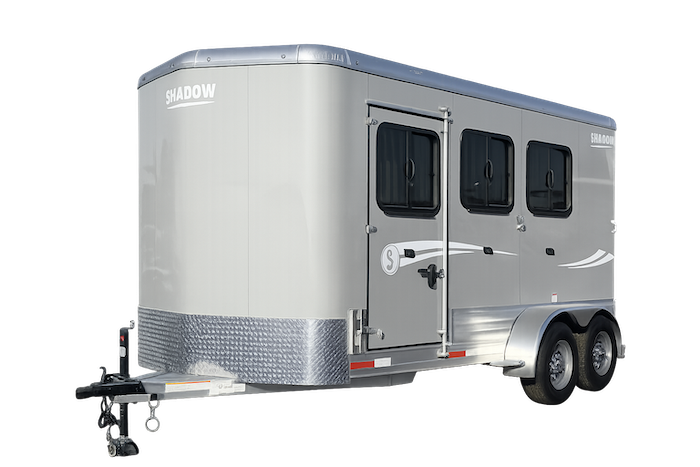
Aluminum vs. steel trailer is one of the most common comparisons buyers make before choosing a horse, stock, livestock, or equipment trailer.
Aluminum is often associated with lower weight and corrosion resistance. Steel is often associated with strength, easier repair, and a lower initial purchase price. But neither material automatically makes one trailer better than another.
The right choice depends on how the trailer is engineered, what you haul, how often you use it, where you live, how you maintain it, and what matters most to you over the life of the trailer.
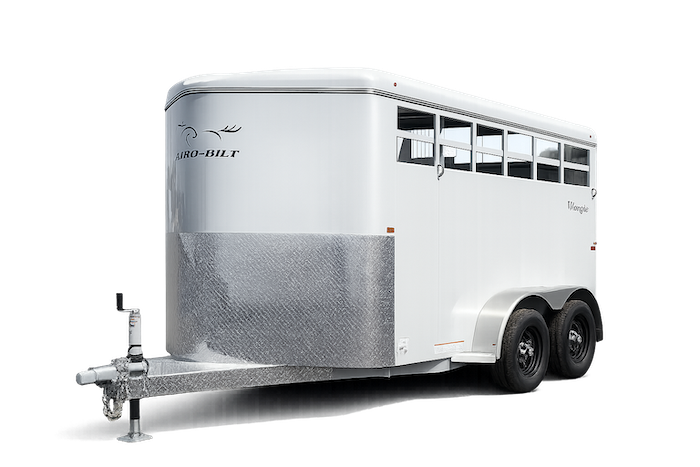
Zona Trailer Sales carries both aluminum and steel trailers, so you can compare actual construction, weight, features, price, and configuration before deciding.
Shop Aluminum Horse Trailers Shop Horse TrailersAluminum vs. Steel Trailers: The Quick Answer
Aluminum trailers can offer meaningful weight savings and do not rust in the same way steel does. Steel trailers can offer excellent strength, broad repairability, and often a lower purchase price depending on the trailer.
But material alone does not determine durability, safety, payload, or value.
A well-designed steel trailer can be a better purchase than a poorly designed aluminum trailer, and the reverse is also true. Frame design, material thickness, crossmembers, weld quality, axle package, flooring, maintenance, and intended use all matter.
| Consideration | Aluminum | Steel |
|---|---|---|
| Trailer Weight | Often lighter in comparable designs | Often heavier in comparable designs |
| Corrosion | Does not rust like steel, but can still corrode and requires inspection | Can rust if coatings, paint, or exposed surfaces are neglected |
| Repairability | May require a repair shop experienced with aluminum welding and fabrication | Steel welding and fabrication are widely available |
| Initial Cost | Can carry a higher purchase price depending on brand and construction | Can offer a lower entry price in comparable configurations |
| Resale | Often has strong buyer interest, especially in horse-trailer markets | Value depends heavily on condition, rust prevention, brand, and configuration |
| Maintenance Focus | Cracks, welds, floor condition, fasteners, and corrosion around dissimilar metals | Paint, coatings, rust, welds, floors, and structural condition |
Are Aluminum Trailers Really Lighter Than Steel?
Often, yes, but this comparison needs context.
Aluminum is less dense than steel, which can allow manufacturers to reduce trailer weight. But manufacturers also engineer aluminum trailers differently to achieve the strength and stiffness required for the application.
That means you should compare the actual empty weight and GVWR of the trailers you're considering, not simply assume that every aluminum trailer weighs less than every steel trailer.
Weight matters because it affects available payload and the demands placed on your tow vehicle. A lighter empty trailer may allow more of the trailer's rated capacity to be used for horses, livestock, tack, feed, or equipment.
Which Material Handles Corrosion Better?
This is one of aluminum's most widely recognized advantages.
Steel can rust when moisture and oxygen reach exposed metal. Good paint, coatings, cleaning, storage, and maintenance can significantly reduce that problem, but areas where coatings are damaged should be addressed before corrosion becomes more serious.
Aluminum does not develop iron rust, but that does not mean an aluminum trailer is immune to corrosion or deterioration.
Aluminum can oxidize, and corrosion can develop in certain environments or where aluminum contacts dissimilar metals. Floors, welds, fasteners, structural components, and areas that trap moisture should still be inspected regularly.
Aluminum generally reduces the rust concern associated with steel, but neither material eliminates the need for inspection and maintenance.
Which Trailer Is Easier to Repair?
Steel usually has an advantage when it comes to finding someone who can perform structural fabrication or welding.
Steel welding and repair capabilities are common throughout the automotive, agricultural, construction, and trailer industries.
Aluminum can absolutely be repaired, but aluminum welding requires different equipment, materials, and skills. For structural repairs, you want someone who understands aluminum trailer construction rather than simply someone who owns a welder.
Repairability becomes particularly important if a trailer is used commercially, on ranches, around heavy equipment, or in situations where damage is more likely.
Which Holds Its Value Better?
There is no reliable rule that says every aluminum trailer will have better resale than every steel trailer.
Resale value depends on brand, age, trailer type, configuration, condition, maintenance, features, local demand, and how well the trailer fits what buyers currently want.
Aluminum horse trailers often have strong used-market appeal because buyers value their lower corrosion concerns and potential weight savings. But a respected steel trailer that has been maintained properly can also retain excellent value.
Condition matters enormously. A clean, structurally sound steel trailer can be worth considerably more than a neglected aluminum trailer with damaged floors, cracks, or poor repairs.
Is Aluminum More Expensive Than Steel?
Often, but not always.
Aluminum trailers frequently carry a higher initial purchase price because of material costs, manufacturing processes, brand positioning, and the market segments where aluminum is commonly used.
Steel can provide a lower-cost path into a well-built horse or livestock trailer, which is one reason steel remains very popular.
But purchase price should not be the only number you compare.
Consider the total package: trailer weight, payload, maintenance, repair costs, resale value, features, and how long you intend to own it.
Aluminum vs. Steel Horse Trailers
Horse-trailer buyers often care about material because trailer weight, corrosion, interior layout, and long-term ownership all matter.
Aluminum can be attractive to buyers who want to reduce empty trailer weight or avoid the traditional rust concerns associated with steel.
Steel can be attractive to buyers who want durability, broad repairability, and potentially a lower purchase price.
But don't buy a horse trailer by material alone.
Horse comfort and safety depend on factors such as stall size, trailer height, width, ventilation, floor construction, dividers, padding, suspension, loading design, and how well the trailer fits the horses you're hauling.
Compare Zona's current aluminum horse-trailer inventory, including different horse counts, bumper pull and gooseneck configurations.
View Aluminum Horse TrailersAluminum vs. Steel Stock and Livestock Trailers
The same material decision appears in the livestock world, but buyers may weigh the tradeoffs differently.
Ranchers and livestock operators may put greater emphasis on durability, gates, flooring, repairability, axle capacity, trailer length, and cost because the trailer may see frequent hard use.
Zona sells both steel and aluminum stock and combo configurations, although a significant portion of the stock/combo trailers Zona sells use steel-frame construction.
For livestock use, compare the actual trailer design, floor, frame, gates, dividers, ventilation, GVWR, and expected loaded weight rather than making the purchase based solely on steel vs. aluminum.
Browse Stock & Combo Trailers at Zona
Which Material Is Better in Arizona Heat?
Arizona adds an important wrinkle to the aluminum vs. steel discussion, but the answer is not as simple as saying one metal is automatically cooler.
Interior trailer temperature is affected by far more than frame material. Exterior color, roof construction, insulation, ventilation, direct sunlight, airflow, trailer design, animal density, travel speed, and how long the trailer remains stationary all matter.
A dark trailer sitting in direct Arizona sun with poor ventilation can become dangerously hot regardless of whether its structure is aluminum or steel.
For horse and livestock buyers in Arizona, ventilation and travel planning deserve more attention than simply choosing the trailer material based on heat.
The University of Arizona Cooperative Extension's guide to transporting livestock discusses Arizona heat, ventilation, loading, traffic conditions, trailer inspections, brakes, tires, floors, and other considerations for transporting animals safely.
Choose Aluminum If...
- Reducing empty trailer weight is important to you.
- You want to reduce traditional steel-rust concerns.
- You are comfortable paying more for the right configuration if necessary.
- You have access to qualified aluminum repair services when needed.
- You are shopping in a category where aluminum has strong resale demand.
- You have compared the actual trailer specifications and the aluminum model fits your needs best.
Choose Steel If...
- You prioritize purchase value and rugged construction.
- You want easier access to welding and fabrication repair services.
- The additional trailer weight works within your towing and payload requirements.
- You are willing to maintain coatings and address rust when it appears.
- Your preferred manufacturer or trailer configuration is built in steel.
- The steel trailer you're comparing simply offers the better specifications for your actual use.
The Better Question: Which Trailer Is Built Better for Your Job?
Material is only one line on a trailer specification sheet.
Before buying, compare:
- Empty weight
- GVWR and payload
- Frame construction
- Floor construction
- Axle ratings
- Suspension
- Weld quality and structural design
- Interior dimensions
- Ventilation
- Warranty
- Repair availability
- Purchase price
- How the trailer will actually be used
That comparison will tell you far more than simply asking whether aluminum or steel is better.
Compare Aluminum & Steel Trailers at Zona
Zona Trailer Sales carries both materials, so our team can help you compare weight, construction, price, capacity, and features without pushing you toward one material just because that's all we sell.
Shop Aluminum Horse Trailers Shop Stock & Combo TrailersAluminum vs. Steel Trailer FAQs
Are aluminum trailers better than steel trailers?
Not automatically. Aluminum can offer lower weight and reduced rust concerns, while steel can offer excellent strength, repairability, and purchase value. The better trailer depends on construction, intended use, capacity, maintenance, and the individual trailer.
Are aluminum trailers lighter than steel?
Aluminum trailers are often lighter than comparable steel trailers, but actual weight depends on the trailer's engineering, dimensions, frame design, equipment, and materials. Always compare the published empty weights of the actual models you're considering.
Do aluminum trailers rust?
Aluminum does not develop iron rust like steel, but it can still oxidize and experience corrosion. Aluminum trailers still require regular structural, floor, weld, fastener, and corrosion inspections.
Do steel trailers last a long time?
Yes. A properly designed and maintained steel trailer can provide many years of service. Protecting coatings, addressing rust early, maintaining the floor, and inspecting structural components are important to long-term condition.
Are aluminum trailers harder to repair?
Aluminum can be repaired, but structural aluminum welding requires appropriate equipment and experience. Steel fabrication services are generally more widely available.
Is aluminum or steel better for a horse trailer?
Either can be a good choice. Compare the actual trailer's weight, dimensions, floor, ventilation, horse layout, structural design, price, maintenance requirements, and tow-vehicle compatibility before choosing.
Which trailer material is better for Arizona?
Arizona heat does not make one trailer material automatically superior. For animal trailers, ventilation, exterior color, roof design, airflow, travel timing, maintenance, and how long animals remain loaded are all important considerations.
Can I finance an aluminum or steel trailer?
Financing options are available for qualified buyers through Zona Trailer Sales. Rates, terms, down payment requirements, and approval depend on the buyer, trailer, and lender.
Compare actual trailers instead of buying based on one material alone. Look at the weight, construction, price, features, and configuration that fit how you haul.
Browse Horse TrailersTrailer weights, construction methods, capacities, corrosion characteristics, repair requirements, and features vary by manufacturer and model. Always compare the specifications and condition of the individual trailers you are considering.