
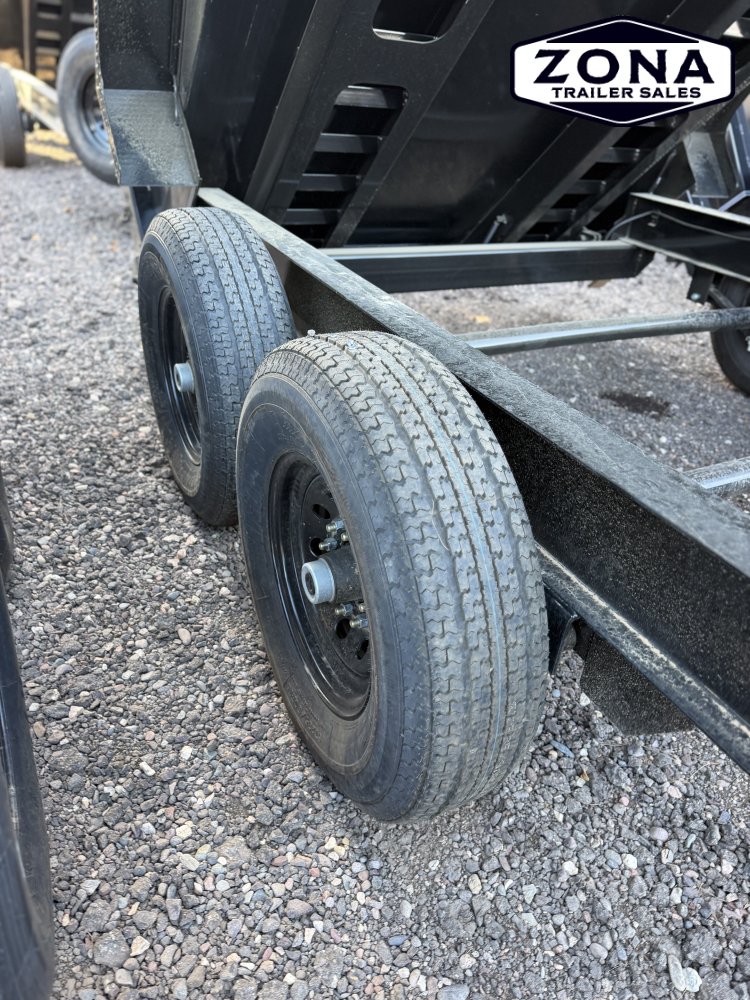
Trailer wheel bearings carry the trailer's load while allowing the wheels and hubs to rotate smoothly. When those bearings lose lubrication, become contaminated or wear out, heat can build quickly and turn a maintenance issue into a failed hub or a trailer stranded on the side of the road.
Greasing a bearing through a hub fitting and fully repacking a wheel bearing are not always the same job. Some trailer hubs allow periodic lubrication through a grease fitting, while others require the hub to be removed so the bearings can be cleaned, inspected and packed with fresh grease. The correct procedure and service interval depend on the axle and hub installed on your trailer.
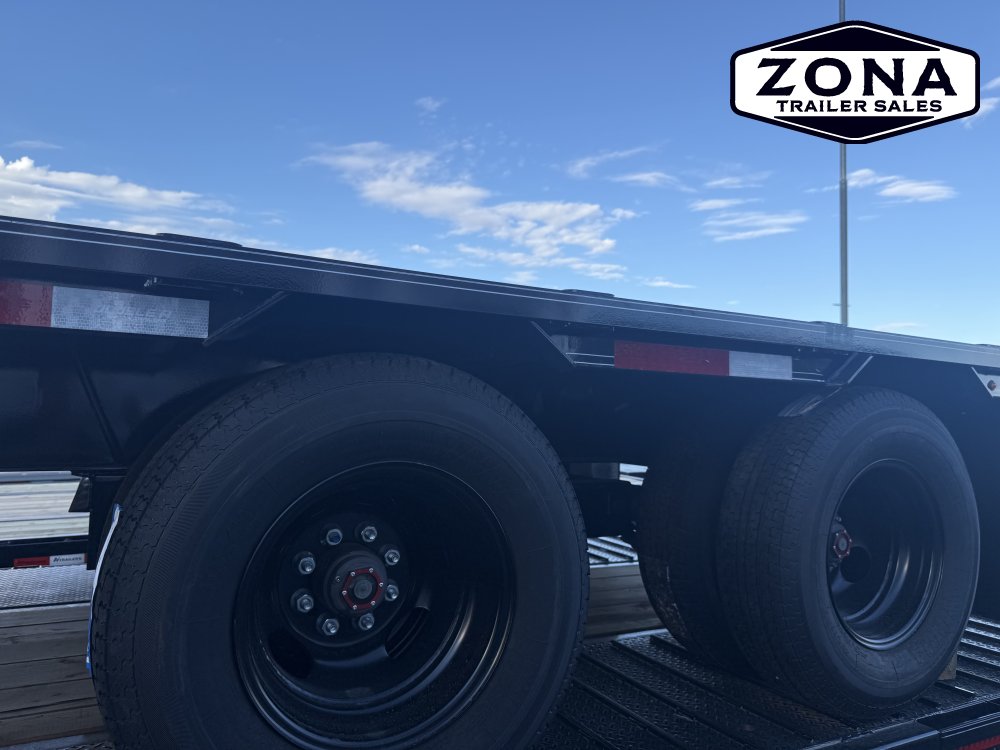
Zona Trailer Sales offers trailer bearing inspection and repacking. Schedule service if your bearings are due or you are not comfortable pulling the hubs yourself.
Schedule Bearing ServiceWhat Do Trailer Wheel Bearings Do?
Wheel bearings sit inside the hub and allow the wheel to rotate around the spindle while carrying the trailer's weight.
Many trailer axles use tapered roller bearings. A typical hub has an inner and outer bearing, bearing races or cups, grease and a rear seal.
The bearings need the correct amount and type of lubrication to keep metal surfaces from operating against each other without protection.
They also need correct adjustment. A bearing that is too loose, too tight, contaminated or damaged can create heat and premature wear even if grease is present.
Why Trailer Bearings Fail
Bearings operate under constant load whenever the trailer is moving. Several conditions can shorten their life.
Lack of Lubrication
Grease can break down, migrate or become inadequate over time. Without the proper lubricant between bearing surfaces, friction and heat increase.
Water and Contamination
Moisture, dirt and other contamination can damage both the grease and the bearing surfaces.
This matters in Arizona too. A trailer may spend much of the year in dry conditions and then encounter heavy monsoon rain, flooded roads, mud or standing water. If water gets past a seal and into the hub, the bearing may need more than another shot of grease.
Heavy Loads
Bearings are designed to operate within the axle's rated capacity. Regular heavy hauling increases the importance of keeping them properly lubricated, adjusted and inspected.
Damaged Seals
The rear hub seal helps keep grease in and contaminants out.
A failed seal can allow grease to escape or reach brake components, while also providing a path for contamination to enter the hub.
Incorrect Adjustment
Wheel-bearing adjustment affects the amount of end play in the hub.
Do not guess at spindle-nut adjustment or bearing preload. Use the axle manufacturer's procedure for the exact hub and bearing system.
How Often Should Trailer Bearings Be Greased or Repacked?
There is no single maintenance interval that should be applied to every trailer axle.
Follow the service schedule published by your axle or hub manufacturer.
For example, Dexter currently recommends inspecting, cleaning and repacking applicable wheel bearings and cups every 12 months or 12,000 miles. That is a Dexter maintenance interval, not a universal rule for every axle manufacturer. For manufacturer-specific instructions, review Dexter's wheel bearing repacking guide.
Trailers exposed to water, heavy commercial use, high mileage or severe conditions may need additional attention.
If you bought a used trailer and do not know when the bearings were last serviced, having them inspected before relying on the trailer regularly can eliminate a lot of uncertainty.
Do not replace the axle manufacturer's service schedule with a generic internet rule. Identify the axle or hub system on your trailer and use its maintenance manual.
Greasing Trailer Bearings vs. Repacking Them
These terms are often used as though they mean the same thing, but they can describe different maintenance procedures.
Adding grease generally means introducing fresh grease into a lubrication system, such as through a grease fitting on a compatible hub.
Repacking bearings means removing the hub and bearings, cleaning and inspecting the components, forcing fresh grease completely through the bearing rollers and reinstalling the system according to the manufacturer's procedure.
A grease fitting can make routine lubrication easier, but it does not allow you to inspect hidden bearing surfaces, races and seals the way a complete disassembly does.
E-Z Lube and Grease-Zerk Hubs vs. a Full Bearing Repack
Some trailer axles use a grease fitting at the end of the spindle.
Dexter's E-Z Lube system, for example, uses a drilled spindle that directs grease to the inner bearing. The grease then moves through the hub toward the outer bearing and out near the grease-cap opening.
This allows periodic lubrication without removing the hub.
However, an E-Z Lube fitting should not be treated as proof that the bearings never need inspection.
A complete bearing service gives you the opportunity to inspect:
- Inner and outer bearings
- Bearing races or cups
- Grease condition
- Hub condition
- Rear grease seal
- Signs of corrosion, overheating or abnormal wear
Dexter also offers Nev-R-Lube sealed bearing cartridges on some axles. These are factory-lubricated sealed units and are not repacked like conventional tapered roller bearings. They still require inspection according to Dexter's maintenance guidance.
Before adding grease or disassembling a hub, identify which bearing system you actually have.
What Grease Should You Use for Trailer Wheel Bearings?
Use the grease specified or approved by the axle or bearing manufacturer.
You may see products marketed as high-temperature, marine or heavy-duty wheel-bearing grease, but the label alone does not guarantee compatibility with the grease already inside your hub.
Dexter specifically warns against mixing incompatible grease thickeners because the mixture can change consistency and potentially damage the bearing system.
If you do not know what grease is already in the hub, consult the axle manufacturer's guidance before adding a different product.
Tools and Supplies for Repacking Trailer Bearings
The exact tools depend on the trailer, hub and axle, but a typical bearing-repack job may require:
- Jack suitable for the trailer
- Properly rated jack stands
- Wheel chocks
- Lug-nut socket and tools
- Tools needed to remove the grease cap and spindle hardware
- Clean shop towels or lint-free rags
- Approved cleaning materials
- Correct wheel-bearing grease
- Bearing packer or clean gloves if packing by hand
- Replacement grease seals
- Replacement cotter pin or retaining hardware where required
- Torque wrench for fasteners that have manufacturer torque specifications
Confirm the exact replacement parts and specifications before taking the hub apart.
How to Repack Trailer Wheel Bearings Step by Step
The following describes the general process used with many conventional grease-packed tapered roller bearing hubs. Your axle manufacturer's service manual controls if its instructions differ.
1. Park and Secure the Trailer
Park on firm, level ground and prevent the trailer from rolling.
Follow the trailer manufacturer's instructions for lifting points. Raise the wheel you are servicing and support the trailer securely with properly rated jack stands.
Never work on or around a trailer supported only by a jack.
2. Remove the Wheel
Remove the wheel so you can access the hub.
Keep the lug nuts and hardware organized for reassembly.
3. Remove the Grease Cap and Retaining Hardware
Remove the grease or dust cap from the hub.
Depending on the axle design, you may then find a cotter pin, retaining clip, spindle nut or other hardware that must be removed before the hub can come off.
Pay attention to the order in which components are removed.
4. Remove the Hub and Bearings
Remove the outer bearing as directed by the axle manufacturer's procedure, then carefully slide the hub off the spindle.
The inner bearing is typically retained inside the hub by the rear grease seal.
Do not damage the spindle or bearing surfaces while removing the hub.
5. Remove the Inner Bearing and Seal
Remove the rear seal according to the hub manufacturer's instructions so the inner bearing can be taken out.
Plan to replace seals when required by the axle manufacturer's service procedure rather than reinstalling a damaged or distorted seal.
6. Clean the Bearings and Inspect the Components
Remove old grease so the bearing rollers and races can be examined.
Look for:
- Pitting
- Corrosion or rust
- Discoloration from heat
- Scoring
- Roughness
- Damaged rollers or cages
- Abnormal wear on the bearing races
If a bearing or race is damaged, simply adding fresh grease does not repair it.
7. Pack Fresh Grease Through the Bearings
The goal is to force fresh grease completely through the spaces between the rollers and bearing cage, not merely coat the outside.
A bearing-packing tool can do this mechanically.
When packing by hand, one common method is to place a small amount of grease in the palm and press the wide edge of the bearing into the edge of the grease so lubricant is forced through the bearing. Rotate the bearing and repeat until grease has worked through the entire bearing.
Use clean grease and keep dirt or other contaminants away from the bearing during this process.
8. Lubricate the Bearing Cups
Before reassembly, apply lubricant as directed by the axle manufacturer to the bearing cups or races.
A light coat of the correct grease is commonly used before reinstalling the bearing, but follow the procedure for your axle.
9. Reinstall the Inner Bearing and Seal
Install the packed inner bearing and the correct seal according to the manufacturer's procedure.
Make sure the seal is seated properly and is not damaged during installation.
10. Reinstall the Hub and Outer Bearing
Carefully slide the hub onto the spindle without damaging the new seal.
Install the packed outer bearing, washer, spindle nut and retaining hardware in the proper order.
11. Adjust the Bearings According to the Axle Manual
This is one area where guessing can damage components.
The spindle-nut procedure establishes the bearing end play or adjustment required by the axle design.
Follow the axle manufacturer's exact sequence and specifications. Do not substitute a generic torque number from another trailer or axle.
12. Reinstall the Grease Cap and Wheel
Reinstall the retaining hardware and grease cap, then reinstall the wheel.
Tighten the wheel fasteners using the pattern and torque specification provided by the trailer, wheel or axle manufacturer.
13. Check the Hub After Service
Before returning the trailer to normal use, confirm that the wheel rotates normally and that nothing is loose, binding or leaking.
Recheck the trailer according to the manufacturer's post-service instructions.
Bearing adjustment, spindle hardware and wheel torque specifications vary. Use the numbers and procedure for the exact axle, hub and wheel on your trailer.
Can You Over-Grease Trailer Bearings?
Yes, depending on the hub system and how grease is being added.
More grease is not automatically better.
On a hub with a lubrication fitting, pumping grease too aggressively or using the wrong procedure can create problems, particularly if grease is forced where it should not go.
Grease leaking past a rear seal can contaminate brake components on trailers equipped with brakes.
Use the lubrication procedure for the specific hub system rather than continuing to pump grease simply because the fitting will accept more.
Signs Trailer Bearings Need Attention
Bearing problems can develop gradually or become obvious quickly.
- Grinding, growling or rumbling from a wheel
- A hub running noticeably hotter than the others
- Excessive wheel play or wobble
- Roughness when the wheel is rotated
- Grease leaking around the hub or onto the wheel
- Visible damage to the seal
- Metal particles, rust or contamination found during service
A hot hub is a warning sign, but use caution when checking it. Brake operation can also create heat, and touching a severely overheated hub can cause injury.
If one hub is substantially different from the others or you hear bearing noise, stop and determine the cause before continuing a long haul.
What Does a Bad Trailer Bearing Feel Like?
With the trailer safely lifted and supported, a failing or poorly adjusted bearing may produce roughness, noise or excessive movement when the wheel is rotated or checked for play.
But those symptoms can also come from other wheel-end components.
If you cannot identify the cause confidently, have the hub inspected rather than replacing or tightening parts by guesswork.
Used Trailer? Check the Bearings Early
A used trailer may come with little or no maintenance history.
Even if the trailer tows normally on a short test drive, that does not tell you when the bearings were last disassembled and inspected.
Before putting an unfamiliar trailer into regular service, inspect the hubs, bearings, tires, brakes, floor and other major components.
Zona's guide to inspecting a used trailer explains additional areas to check before relying on a used trailer for regular hauling.
Arizona Heat Makes Bearing Maintenance Worth Watching
Arizona's summer temperatures add heat to a wheel-end system that already creates heat through friction, braking and highway operation.
High ambient temperature does not automatically mean a bearing will fail, but it makes good maintenance and attention to unusual hub temperatures even more important.
Monsoon conditions can introduce another problem: water.
If a trailer has been through deep standing water or conditions where hub contamination is possible, inspect the bearing system according to the axle manufacturer's guidance rather than assuming the existing grease is still clean.
When Should You Bring Trailer Bearings in for Service?
Repacking conventional wheel bearings is manageable for someone familiar with trailer maintenance and properly equipped to lift and support the trailer.
Professional service may make more sense when:
- You do not know what bearing or hub system is installed
- You do not know the trailer's maintenance history
- A hub is unusually hot
- The wheel has noticeable play or roughness
- You find water, rust or contaminated grease
- A seal is leaking
- Bearing or race surfaces appear damaged
- You do not have the correct lifting and support equipment
- You simply do not want to disassemble the hubs yourself
For a broader maintenance schedule, see Zona's guide to annual trailer inspection and routine trailer service.
Zona Trailer Sales lists bearing inspection and repack among its current trailer-service offerings.
Schedule Bearing Inspection and Repack
If your trailer bearings are due for service, the maintenance history is unknown or a hub is showing signs of trouble, schedule bearing inspection and repacking with Zona Trailer Sales.
Schedule Trailer ServiceTrailer Wheel Bearing FAQs
How often should trailer bearings be greased?
Follow the maintenance schedule for the axle or hub installed on your trailer. Some manufacturers use mileage and time-based service intervals, but the correct schedule depends on your specific axle and bearing system.
How often should trailer wheel bearings be repacked?
The interval depends on the axle system and operating conditions. Follow the maintenance schedule published by the axle or hub manufacturer, especially if the trailer sees heavy use, water exposure or long highway trips.
Can you over-grease trailer bearings?
Yes. Adding excessive grease or using the wrong procedure can cause problems in some hub systems. Follow the lubrication procedure for the exact hub rather than pumping grease until no more will fit.
What grease should I use for trailer wheel bearings?
Use the grease specified or approved by the axle or bearing manufacturer. Do not assume that any high-temperature or marine grease is compatible with the grease already in the hub, and avoid mixing incompatible grease types.
How do I know if a trailer bearing is bad?
Warning signs can include grinding or rumbling, excessive wheel play, rough rotation, abnormal hub heat, grease leakage or visible damage found during inspection. Stop and have the wheel end inspected if you suspect a bearing problem.
Does an E-Z Lube hub still need bearing service?
Yes. An E-Z Lube system can make periodic lubrication easier, but bearings, races and seals still need inspection according to the axle manufacturer's maintenance schedule.
Do sealed trailer bearings need to be repacked?
Not always. Some sealed bearing systems are factory lubricated and are not serviced the same way as conventional tapered roller bearings. Identify the bearing system on your trailer and follow the manufacturer's instructions.
Does Zona Trailer Sales repack trailer bearings?
Yes. Zona Trailer Sales currently offers bearing inspection and repacking through its trailer service department.
Rather than guessing, schedule bearing inspection and repacking with Zona Trailer Sales.
Schedule Bearing ServiceBearing designs, lubrication systems, service intervals, adjustment procedures and torque specifications vary by axle and hub manufacturer. Always follow the service manual for the exact equipment installed on your trailer. Never work under or around a trailer supported only by a jack.