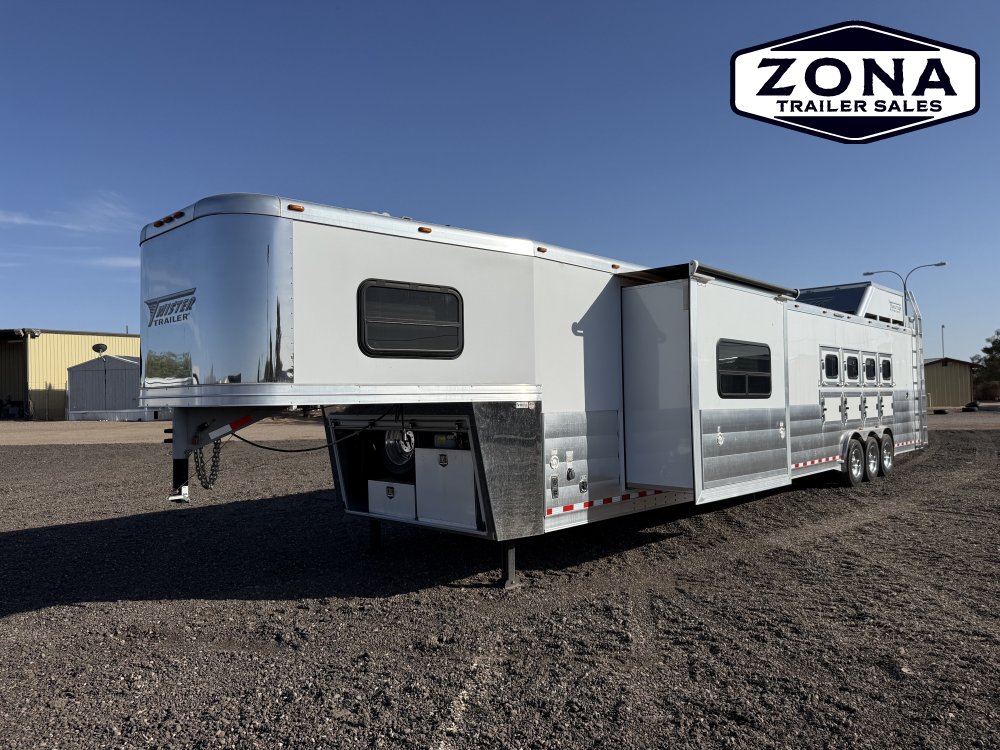
A good used horse trailer can save you thousands of dollars compared with buying new. A bad one can turn into an expensive project involving floors, brakes, bearings, tires, wiring, structural repairs, or water damage.
The key is knowing what to inspect before you buy. This guide walks through the same major areas a knowledgeable trailer buyer should evaluate, from the frame and horse compartment to the VIN, tires, brakes, roof, and overall condition.
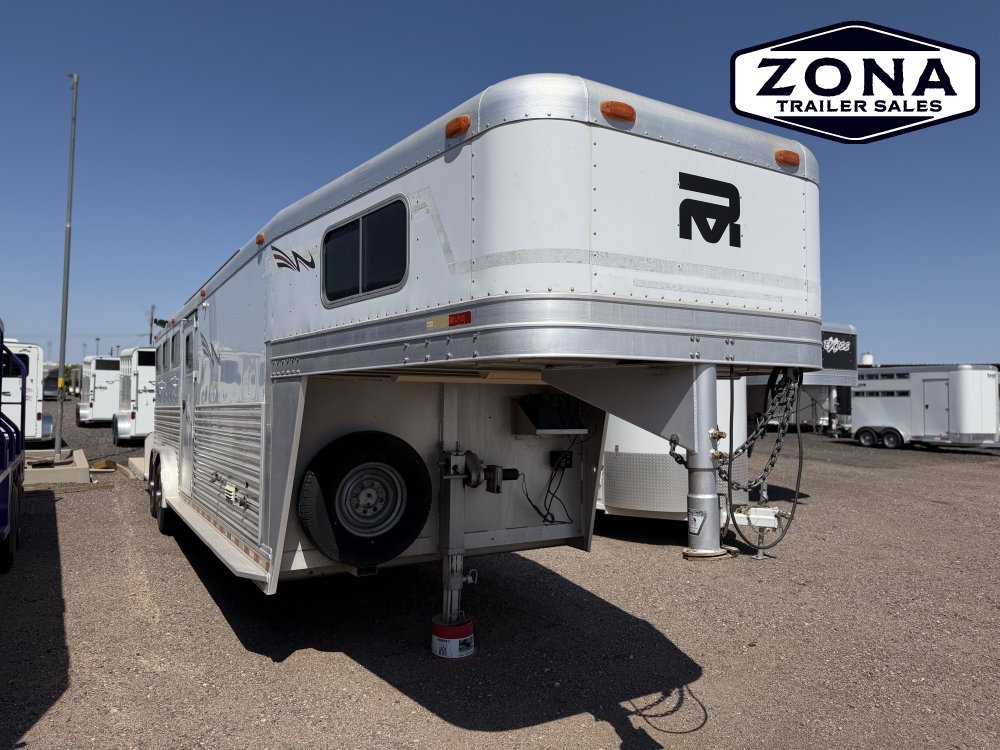
Browse Zona Trailer Sales' current used inventory. Our team checks used trailers and makes necessary repairs before offering them for sale.
Shop Used TrailersIs Buying a Used Horse Trailer a Good Idea?
It can be. Horse trailers can have long useful lives when they are properly built and maintained, which makes used inventory worth considering.
Buying used can also put a higher-quality trailer, larger configuration, or better-equipped model within your budget.
But age alone does not tell you whether a used horse trailer is a good buy.
A well-maintained older trailer may be a better purchase than a newer trailer that has been neglected. Maintenance history, construction, storage conditions, use, previous repairs, and current condition all matter.
Used Horse Trailer Inspection Checklist
Before getting into the details, here is the short version of what you should inspect.
- VIN and title
- Frame and crossmembers
- Floor and floor supports
- Roof and seams
- Walls, dividers, doors and latches
- Axles and suspension
- Brakes
- Wheel bearings
- Tires and date codes
- Wheels and lug nuts
- Lights and wiring
- Breakaway system
- Coupler or gooseneck connection
- Safety chains
- Horse-area ventilation
- Interior condition and sharp edges
- Tack and dressing areas
- Signs of leaks or water damage
- GVWR, empty weight and payload
- Compatibility with your tow vehicle
1. Verify the VIN and Title First
Before spending significant time inspecting a used horse trailer, verify that the paperwork matches the trailer.
Locate the trailer's VIN and compare it with the title or ownership documents. Check the make, model, year, and VIN carefully.
If the VIN is missing, altered, unreadable, or does not match the paperwork, do not treat that as a minor issue.
Requirements for trailer titles, registration, and documentation vary by state, so buyers should confirm the requirements that apply where the trailer will be registered.
2. Inspect the Frame and Crossmembers
The structural condition of the trailer matters more than faded paint, scratches, or cosmetic wear.
Get underneath the trailer where it is safe to do so and look at the main frame rails and crossmembers. On steel trailers, look for significant corrosion, heavy scaling, cracks, damaged welds, bent structural members, and evidence of previous repairs.
On aluminum trailers, inspect for cracks, damaged welds, distortion, corrosion around dissimilar metals, and areas that appear to have been repaired.
Surface oxidation or cosmetic wear is different from structural deterioration. If you are not qualified to determine the difference, have the trailer inspected by a professional before buying it.
3. Check the Horse Trailer Floor Carefully
The floor is one of the most important areas on any used horse trailer.
Horses place substantial concentrated weight on the floor, and moisture, urine, manure, road debris, and age can damage flooring and the structure underneath it.
If rubber mats are installed, lift or remove them where possible so you can inspect what is underneath. Do not assume a floor is sound because the mats look clean.
- Soft or weakened wood
- Rot
- Heavy corrosion
- Pitting or deterioration
- Loose or damaged boards
- Cracks or damaged welds
- Damaged crossmembers underneath the floor
- Areas where moisture appears to have been trapped
A nice-looking interior does not compensate for a questionable floor or damaged floor supports.
4. Inspect the Roof, Seams and Signs of Water Intrusion
Water can create problems that are easy to overlook during a quick walk-around.
Look at roof seams, vents, windows, doors, corners, and any areas where accessories have been installed. Inside the trailer, look for stains, discoloration, swelling, damaged wall material, corrosion, musty odors, or other signs that water may have entered.
This becomes even more important on horse trailers with dressing rooms or living quarters because water intrusion can damage interior materials and systems before the exterior problem appears severe.
5. Check the Tires, Including the Date Codes
Tire tread is only part of the inspection.
Trailer tires can age even when the trailer is not driven frequently. Look for cracking, weathering, bulges, uneven wear, damage, improper inflation, and mismatched tires.
Check the DOT date code on each tire so you know when it was manufactured. Also inspect the spare rather than assuming it is usable simply because it has never been on the ground.
Uneven tire wear can also be a clue that something else deserves attention, such as alignment, suspension, axle, wheel, or inflation issues.
6. Inspect the Brakes and Wheel Bearings
A used horse trailer's braking system should not be treated as an afterthought.
Determine whether the brakes operate correctly and inspect the condition of related wiring and components. If maintenance records are available, ask when the brakes and bearings were last serviced.
Wheel bearings also require regular maintenance. Noise, looseness, heat, neglected grease, damaged seals, or unknown service history can justify a closer inspection before towing the trailer any significant distance.
A trailer can look excellent in photos and still need tires, brakes, bearings, electrical work, or structural repairs. Mechanical condition should be part of the purchase price calculation.
7. Test the Lights and Wiring
Connect the trailer to an appropriate tow vehicle and test the electrical system.
Check running lights, brake lights, turn signals, marker lights, interior lights where equipped, electric brakes, and the trailer connector.
Look for damaged wiring, loose connections, exposed conductors, poor repairs, corrosion, and wires hanging where road debris can damage them.
Also inspect and test the breakaway system where equipped.
8. Inspect Doors, Gates, Dividers and Latches
Open and close everything.
Rear doors, escape doors, divider gates, tack doors, windows, drop-down windows, ramps, and latches should operate correctly and close securely.
Look for sagging doors, damaged hinges, bent gates, broken hardware, sharp edges, protruding fasteners, and makeshift repairs.
Remember that these components need to function while horses are moving inside the trailer, not just while the trailer is sitting empty.
9. Inspect the Horse Compartment From the Horse's Perspective
A structurally sound trailer still needs to be appropriate for the horses you intend to haul.
Check interior height and width, stall dimensions, dividers, ventilation, flooring, padding, butt and chest bars where applicable, and anything a horse could contact during travel.
Look closely for sharp edges, exposed hardware, damaged padding, broken dividers, or other areas that could injure an animal.
The University of Minnesota Extension recommends that horse owners keep trailers in good working condition and specifically check brakes, lights, tire inflation, and whether the trailer floor can safely support the horse. Review the University of Minnesota Extension horse-trailer safety guidance .
10. Check the Coupler, Hitch Area and Safety Equipment
Inspect the hitch connection closely, whether you're looking at a bumper pull or gooseneck horse trailer.
Check the coupler, gooseneck mechanism, jack, safety chains, breakaway equipment, wiring connection, and surrounding structure.
Make sure the hitch components are appropriate for the trailer and compatible with the tow vehicle you plan to use.
11. Ask for Maintenance and Repair Records
Documentation can tell you a lot about how a trailer was treated.
Ask whether the seller has records for bearing service, brake work, tires, roof resealing, floor replacement, electrical repairs, axle work, or other significant maintenance.
Lack of records does not automatically make a trailer bad, but it means you should rely more heavily on the current physical inspection rather than assumptions about previous maintenance.
How Much Should You Pay for a Used Horse Trailer?
There is no reliable price formula based on age alone.
Used horse trailer values can vary significantly based on manufacturer, construction material, size, horse capacity, bumper pull vs. gooseneck, living quarters, options, condition, maintenance history, and current market demand.
| Factor | Why It Matters |
|---|---|
| Brand | Some manufacturers maintain stronger used-market demand than others. |
| Age | Age matters, but condition and maintenance can matter more. |
| Steel vs. Aluminum | Material affects original price, weight, corrosion, repair considerations, and used-market value. |
| Configuration | Horse count, gooseneck vs. bumper pull, tack space, and living quarters can dramatically affect value. |
| Condition | Structural and mechanical condition can change what appears to be a bargain into an expensive repair project. |
| Current Market | Supply and demand affect what comparable used trailers are actually selling for. |
Compare the asking price against trailers of similar brand, age, size, configuration, and condition. If a trailer needs several thousand dollars in immediate repairs, include those costs when deciding whether the asking price is actually attractive.
When Is Buying a Used Horse Trailer a Mistake?
A lower purchase price does not automatically make a used trailer a better value.
- The VIN or ownership documents do not match.
- The floor or structural supports have significant deterioration.
- The frame has questionable cracks, bends, welds, or repairs.
- There is substantial water damage.
- Major repairs would erase the savings over a better trailer.
- The trailer does not fit your horses properly.
- The loaded trailer exceeds what your tow vehicle can safely handle.
- The seller will not allow a reasonable inspection.
Sometimes spending more on a better-condition used trailer, or moving to a new trailer, costs less in the long run than buying the cheapest trailer available.
Buying From a Dealer vs. a Private Seller
Private-party trailers can offer good opportunities, but the buyer generally has to do more of the evaluation independently.
When shopping through a dealer, ask what the dealership knows about the trailer and whether any repairs or maintenance were completed before it was listed.
At Zona Trailer Sales, our team checks used inventory and makes necessary repairs. Buyers should still review the specific trailer, ask questions, and make sure its configuration and condition fit their needs.
Shop Used Trailers at Zona
Browse current pre-owned trailers and compare manufacturers, configurations, condition, pricing, and specifications before you buy.
View Used Trailers Explore FinancingHave a Horse Trailer to Trade?
Your current trailer may also have value toward your next purchase.
When submitting a trade-in request, provide as much information as possible about the year, make, model, VIN, condition, maintenance history, and upgrades. Photos and recent service information can also help the evaluation process.
Request a trade-in value from Zona Trailer Sales.
Used Horse Trailer FAQs
What should I check when buying a used horse trailer?
Inspect the VIN and paperwork, frame, crossmembers, floor, roof, tires, brakes, bearings, wiring, lights, hitch, doors, dividers, ventilation, and horse compartment. Also verify GVWR and make sure the trailer is compatible with your tow vehicle.
How do I check the floor of a used horse trailer?
Lift or remove rubber mats where possible and inspect the actual flooring underneath. Look for rot, corrosion, cracks, deterioration, loose material, and damage to the supporting crossmembers.
How old is too old for a used horse trailer?
There is no single age when a horse trailer becomes too old. Construction quality, maintenance, storage, use, repairs, and current structural condition can be more important than model year alone.
How do I know what a used horse trailer is worth?
Compare trailers of similar brand, age, construction, size, configuration, options, and condition. Also account for repairs or maintenance the trailer needs immediately after purchase.
Should I buy a used horse trailer with living quarters?
Used living-quarters trailers can offer significant value, but they require additional inspection. In addition to the trailer structure and running gear, inspect the living area for leaks, water damage, electrical or plumbing issues, appliances, and other installed systems.
Is an aluminum used horse trailer better than steel?
Not automatically. Both materials can provide years of service when properly designed and maintained. Inspect the actual trailer for corrosion, cracks, structural damage, previous repairs, floor condition, and overall maintenance rather than choosing solely by material.
Can I finance a used horse trailer?
Financing may be available for qualified buyers on eligible used trailers through Zona Trailer Sales. Available terms, down payment requirements, and approval depend on the buyer, trailer, and lender.
Can Zona deliver a used trailer outside Arizona?
Yes. Zona Trailer Sales works with buyers across the United States and offers nationwide delivery.
See Zona's current used inventory or tell us about the trailer you have now if you're considering a trade.
Shop Used Trailers Request a Trade-In ValueThis guide is intended as general buyer information and is not a substitute for a professional mechanical or structural inspection. Used trailer condition varies by individual unit. Always verify trailer specifications, condition, ownership documentation, and tow-vehicle compatibility before purchasing or towing.