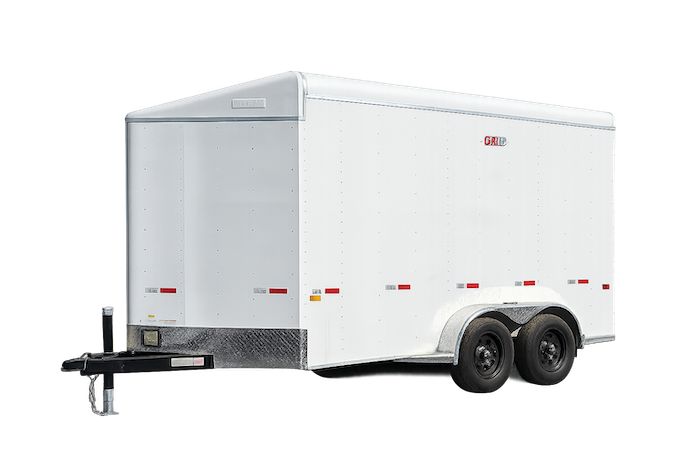
Trailer maintenance is easier and usually less expensive when problems are caught before they become roadside failures. Brakes, bearings, tires, lights, wiring, suspension, floors, couplers and safety equipment all deserve regular attention.
For commercial operators, inspection requirements may go beyond routine maintenance. Certain commercial trailers and combination vehicles are subject to federal periodic inspection requirements, including an inspection at least once every 12 months.
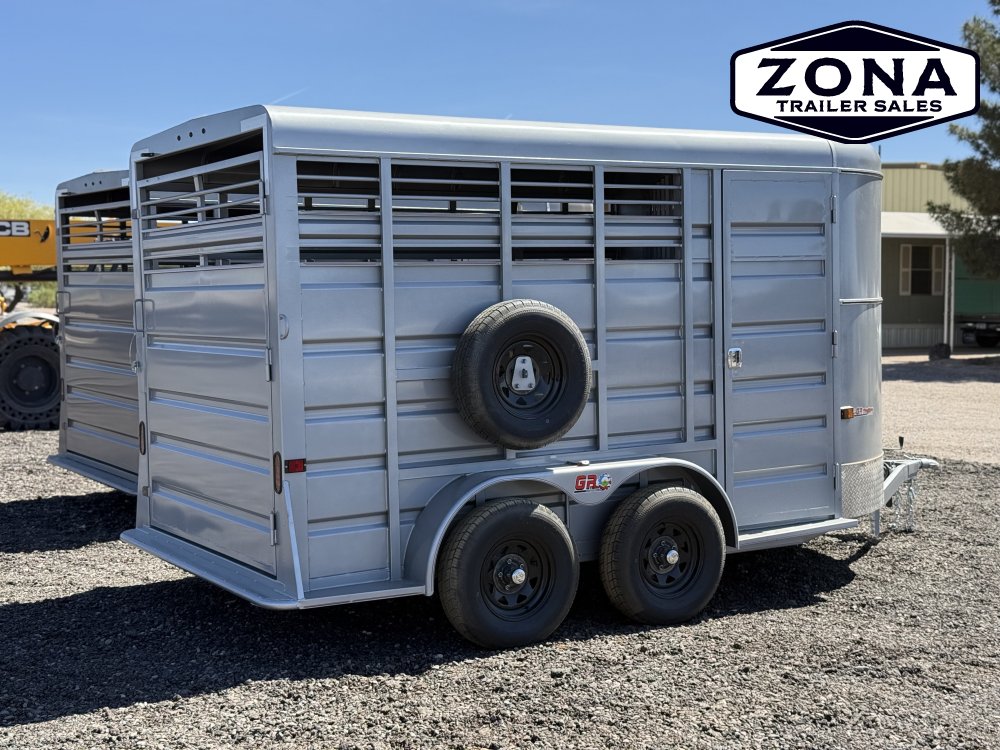
Zona Trailer Sales services brakes, axles, bearings, lighting, wiring, tires, floors, hitches, couplers, jacks and more, including DOT and annual safety inspections.
Schedule Trailer ServiceTrailer Maintenance Checklist: What Should Be Inspected?
A trailer may look simple compared with a truck, but many systems have to work correctly at the same time for safe operation.
| Component | What to Check | Why It Matters |
|---|---|---|
| Brakes | Operation, adjustment, wear, wiring and brake components | Stopping performance can deteriorate gradually and may not be obvious until the trailer is loaded |
| Wheel Bearings | Condition, lubrication, play and signs of overheating | Bearing failure can damage hubs, spindles and wheels and leave the trailer disabled |
| Tires & Wheels | Pressure, tread, age, cracks, damage, lug torque and load rating | Trailer tires carry heavy loads and can deteriorate even when tread remains |
| Lights & Wiring | Brake lights, turn signals, running lights, connectors and wiring condition | Electrical faults affect visibility, signaling and electric brake operation |
| Coupler / Gooseneck | Latch, ball connection, hardware, wear and adjustment | The hitch connection carries critical towing loads |
| Safety Chains & Breakaway | Chains, attachment points, breakaway switch and battery where equipped | These systems provide backup protection if the trailer separates from the tow vehicle |
| Floor / Deck | Rot, cracks, corrosion, loose boards, mats and structural condition | Floor failure can be dangerous for horses, livestock, equipment and cargo |
| Axles & Suspension | Damage, wear, alignment, springs, equalizers and mounting hardware | Suspension condition affects tire wear, tracking and load control |
How Often Should Trailer Brakes Be Serviced?
There is no single service interval that fits every trailer.
Brake wear depends on trailer weight, mileage, terrain, brake type, driving conditions, how frequently the trailer is loaded and how the brake controller is adjusted.
A trailer that works every day can need attention much sooner than one used a few weekends per year.
The practical approach is to inspect the braking system regularly and follow the trailer, axle and brake manufacturer's service recommendations.
- Trailer pushes the tow vehicle during braking
- One wheel locks more easily than the others
- Braking feels weak or inconsistent
- Brake controller requires unusually high output
- Abnormal noises occur while braking
- Uneven heat or wear appears between wheels
Trailer Bearing Inspection and Repacking
Wheel bearings allow the hub and wheel assembly to rotate while carrying the trailer's load.
Bearings need appropriate lubrication and adjustment. Contaminated grease, water intrusion, wear or incorrect adjustment can lead to overheating and eventual failure.
Service intervals vary by axle and hub design, so the manufacturer's recommendations should be followed.
If you do not know when the bearings were last inspected or serviced, especially on a used trailer, it is worth having them checked before putting the trailer into regular service.
Trailer Tires: Age Matters Too
Trailer tire condition cannot be judged by tread depth alone.
Tires can age, crack or deteriorate while the trailer sits, particularly when exposed to heat and sunlight.
Arizona conditions make visual inspection especially important.
Check inflation pressure when tires are cold, inspect sidewalls and tread for damage, verify the tire load rating and pay attention to the tire's age and manufacturer guidance.
Lights, Wiring and Trailer Connectors
Electrical issues are among the easiest trailer problems to ignore until a trip is interrupted.
Inspect brake lights, running lights, turn signals, trailer connectors and visible wiring before travel.
On trailers with electric brakes, wiring problems can also affect braking performance.
Zona's service department handles lighting and wiring diagnostics along with brake service and other trailer repairs.
What Is an Annual DOT Trailer Inspection?
For commercial motor vehicles subject to federal motor-carrier regulations, FMCSA requires a periodic inspection at least once every 12 months.
Each vehicle in a combination that falls under the applicable rules must meet the federal periodic inspection standards.
The annual inspection covers safety-related systems and components specified by the federal inspection standards.
FMCSA requires covered commercial vehicles to receive a periodic inspection at least once every 12 months. Review the Federal Motor Carrier Safety Administration's inspection, repair and maintenance guidance for the federal requirements.
Does Every Trailer in Arizona Need an Annual DOT Inspection?
No.
Do not confuse a federal commercial-vehicle annual inspection with ordinary Arizona trailer registration or an MVD vehicle-identification inspection.
Whether a trailer and tow vehicle are subject to federal annual inspection requirements depends on the operation, vehicle combination and applicable commercial motor-carrier rules.
Arizona also has different registration rules depending on whether a trailer is used commercially and its declared gross weight.
Commercial operators should confirm the requirements that apply to their specific business and combination rather than assuming every privately owned trailer needs the same inspection.
Arizona Trailer Registration Is a Separate Issue
Arizona trailer registration requirements vary by declared gross weight and whether the trailer is used commercially.
For example, Arizona provides permanent registration for certain trailers, while some commercial trailers at lower declared gross weights use annual registration.
For current Arizona trailer-registration rules, review the Arizona Department of Transportation trailer registration guidance.
What Does an Annual Commercial Trailer Inspection Cover?
The federal periodic inspection standards address safety-related systems and components rather than cosmetic condition.
Depending on the vehicle, inspection items can include areas such as:
- Brake systems
- Coupling devices
- Lighting devices and reflectors
- Suspension components
- Frame components
- Tires and wheels
- Other required safety equipment and components
The exact inspection requirements should be determined from the applicable federal standards and the specific vehicle.
Who Can Perform a Federal Annual Inspection?
FMCSA requires annual inspections to be performed by a qualified inspector.
The inspector must understand the applicable federal inspection standards and be able to identify defective components using appropriate inspection methods, procedures and tools.
Brake inspectors performing covered brake work also have qualification requirements under federal motor-carrier rules.
Don't Wait for an Annual Inspection to Maintain the Trailer
An annual inspection is a checkpoint, not a substitute for ongoing maintenance.
Tires can be damaged tomorrow. Wiring can fail next week. A bearing can develop play between inspections.
High-use commercial trailers should be monitored throughout the year, especially when they regularly carry heavy equipment, livestock, horses, dump loads or commercial cargo.
Trailer Maintenance Schedule: A Practical Approach
| When | What to Check | Purpose |
|---|---|---|
| Before Each Trip | Tires, lights, coupler, safety chains, breakaway system, visible damage and load securement | Catch obvious problems before entering the road |
| Regularly During Use | Braking behavior, tire wear, wheel heat, wiring, suspension and floor condition | Identify wear or damage developing between major services |
| Manufacturer Service Intervals | Bearings, brakes, axles, lubrication and other specified maintenance | Maintain components according to their design requirements |
| At Least Annually When Federally Required | Required federal periodic inspection items | Maintain compliance for covered commercial motor vehicles |
Manufacturer intervals should take priority over a generic calendar schedule. Severe use, high mileage, heavy loads and harsh operating conditions may justify more frequent inspection.
Buying Used? Service History Matters
Used trailers deserve especially careful inspection because you may not know how they were loaded, stored or maintained by the previous owner.
Floors, crossmembers, brakes, bearings, tires, wiring and structural repairs should all be reviewed before relying on the trailer regularly.
For a deeper pre-purchase walkthrough, read Zona's Used Horse Trailer Inspection & Buyer's Guide.
Heavy Equipment and Dump Trailers Need Attention Too
Horse and livestock trailers are not the only trailers that benefit from preventive maintenance.
Dump and equipment trailers regularly operate under heavy loads, making brakes, bearings, tires, axles, hydraulic systems, wiring and structural components particularly important.
Browse Dump Trailers Browse Equipment Trailers
Trailer Services Available at Zona
Zona Trailer Sales' service department currently lists:
- Brake service and axle repair
- Bearing inspection and repack
- Lighting and wiring diagnostics
- Tire and wheel replacement
- Weight-distribution hitches
- Flooring, mats and deck repairs
- Roof, leak and seal repairs
- Hitch, coupler and jack installs
- Custom fabrication and upgrades
- DOT and annual safety inspections
Schedule Trailer Service at Zona
Whether you need brake service, bearing repacking, hitch installation or a DOT annual safety inspection, Zona Trailer Sales can help you schedule the trailer service you need.
Schedule Trailer Service Contact ZonaTrailer Service & Inspection FAQs
Does every trailer need an annual DOT inspection?
No. Federal periodic inspection requirements apply to covered commercial motor vehicles. Personal-use trailers are not automatically subject to the same annual DOT inspection requirement simply because they are trailers.
How often does a covered commercial trailer need a federal annual inspection?
FMCSA requires covered commercial vehicles to receive a periodic inspection at least once every 12 months.
Is an Arizona MVD inspection the same as a DOT annual inspection?
No. Arizona MVD vehicle inspections are generally related to vehicle identification, title or specific registration situations. A federal annual commercial-vehicle inspection is a separate safety requirement under applicable motor-carrier rules.
How often should trailer bearings be repacked?
Follow the axle and hub manufacturer's service interval. Use, mileage, bearing design and operating conditions all affect how often inspection or repacking is appropriate.
How often should trailer brakes be inspected?
Brake inspection frequency depends on mileage, load, terrain, brake design and use. Follow the manufacturer's recommendations and have the system inspected whenever braking performance changes.
Does Zona service trailer brakes?
Yes. Zona Trailer Sales lists brake service and axle repair among its current trailer-service offerings.
Does Zona repack trailer bearings?
Yes. Bearing inspection and repacking are listed among Zona's trailer-service offerings.
Does Zona perform DOT or annual safety inspections?
Yes. Zona Trailer Sales lists DOT and annual safety inspections as a service. Contact the service department with your trailer and operating details so the team can confirm the inspection appropriate for your situation.
Can Zona repair trailer wiring and lights?
Yes. Zona lists lighting and wiring diagnostics among its current service capabilities.
Schedule trailer service for brakes, bearings, tires, wiring, repairs, upgrades or inspection before a small issue becomes a bigger one.
Schedule ServiceInspection, maintenance and registration requirements vary based on trailer type, vehicle combination, commercial use, jurisdiction and applicable regulations. This guide provides general information only. Commercial operators should verify the federal and state requirements that apply to their specific operation.