
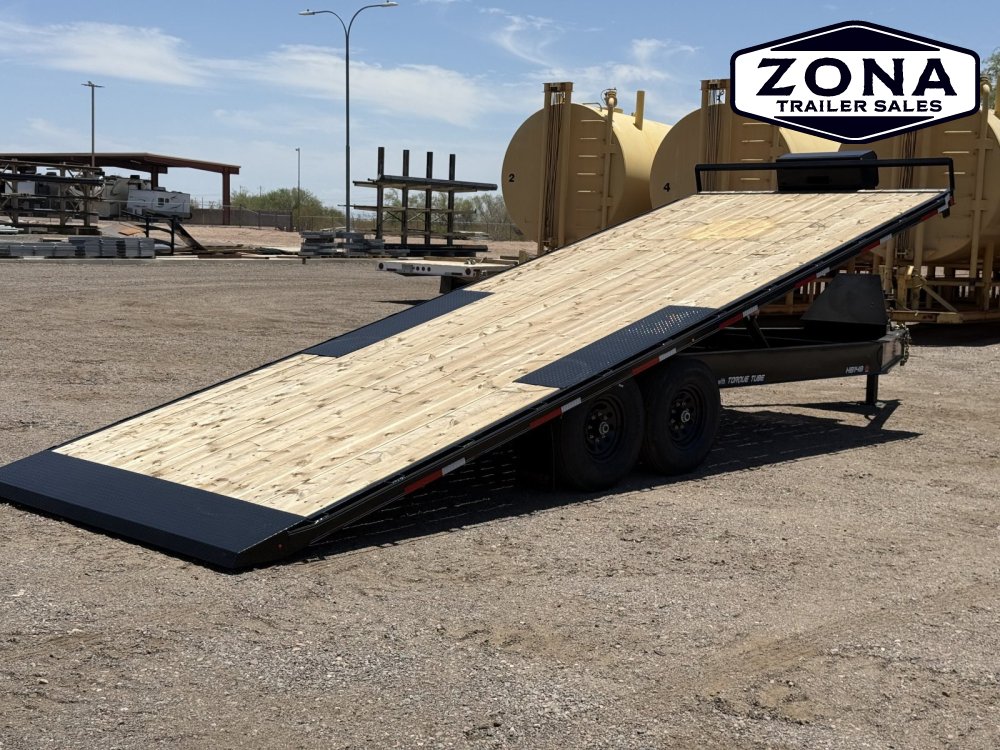
You're hauling your horse trailer, livestock trailer or equipment trailer down the highway when you notice the trailer beginning to move from side to side. What starts as a small movement can become a serious safety concern if the trailer loses stability.
Trailer sway can develop for several reasons, including improper weight distribution, excessive speed, wind, passing vehicles and shifting cargo. Understanding what causes trailer sway and how to prevent it is an important part of towing safely, especially when you're transporting horses, livestock or heavy equipment.
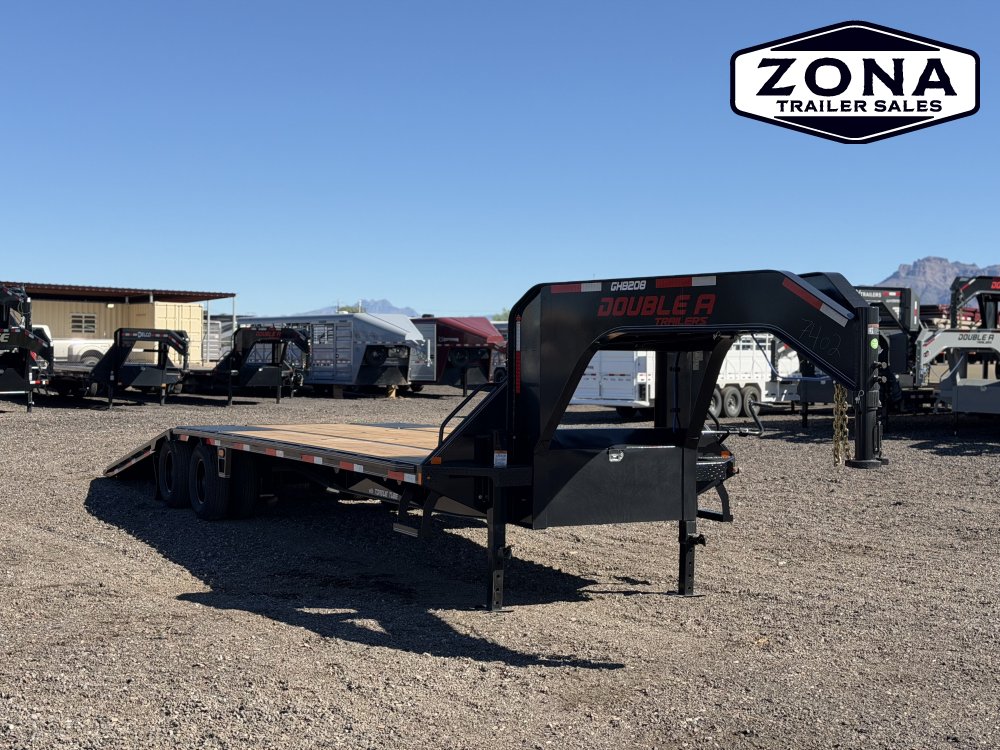
Compare horse, livestock and equipment trailers at Zona Trailer Sales to find a configuration that works with your tow vehicle, cargo and hauling routine.
Browse Horse TrailersWhat Is Trailer Sway?
Trailer sway is the side-to-side movement of a trailer as it travels behind a tow vehicle. It can begin as a relatively small movement and, under certain conditions, grow into an unstable oscillation that becomes difficult to control.
Some movement can occur when wind or passing traffic affects a trailer. However, repeated or increasing side-to-side motion is a warning sign that requires attention.
Trailer sway is especially concerning because the trailer's movement can influence the handling of the tow vehicle. Severe sway may contribute to a loss of control.
It can affect bumper pull and gooseneck trailers, although hitch design and loading characteristics influence how each combination behaves.
What Causes Trailer Sway?
Trailer sway doesn't have just one cause. Several factors can interact, and a trailer that normally tows well may become unstable when its loading, speed or driving conditions change.
1. Improper Tongue Weight
One of the most important factors is how much of the trailer's loaded weight is transferred to the tow vehicle through the hitch.
On a bumper pull trailer, insufficient tongue weight can contribute to instability. A trailer loaded too heavily toward the rear may be more prone to swaying.
Too much tongue weight creates different problems, potentially overloading the tow vehicle, hitch or axles and affecting steering and braking.
Follow the trailer and tow-vehicle manufacturers' loading requirements. Tongue-weight recommendations for bumper pull trailers should not automatically be applied to gooseneck pin weight, which uses different loading characteristics.
2. Poor Load Distribution
Even when a trailer is within its overall weight rating, cargo distribution can affect stability.
Heavy items positioned too far toward the rear or cargo placed unevenly from side to side can change how the trailer responds during towing.
When hauling equipment, consider the position of machinery, attachments and other materials. A trailer carrying the same total weight can handle differently depending on where that weight is located.
All cargo should be properly positioned and secured according to the trailer manufacturer's instructions.
3. Driving Too Fast for Conditions
Speed can make an unstable towing combination more difficult to control. As speed increases, the driver has less time to respond to changing conditions, and sway can become more severe.
The posted speed limit is not necessarily a safe towing speed in every situation.
Adjust your speed for wind, road conditions, traffic, visibility and the trailer you're hauling. Always follow applicable towing speed restrictions and equipment ratings.
4. Crosswinds and Passing Trucks
Horse trailers, stock trailers and enclosed equipment trailers can present substantial side surfaces to the wind.
Strong crosswinds may push against the trailer, while large trucks passing nearby can create changes in air pressure that affect the towing combination.
These effects may be more noticeable when the trailer is lightly loaded, the wind is gusty or the combination is already unstable.
Reduce speed as conditions require, maintain a firm grip on the steering wheel and avoid abrupt steering corrections.
5. Tire Pressure and Equipment Problems
Underinflated tires, mismatched tire specifications, excessive tire wear and other mechanical issues can affect trailer handling.
Improper hitch setup, worn suspension components, damaged equipment or an incorrectly matched tow vehicle may also contribute to instability.
Before towing, check tire pressures according to the tire and trailer specifications, and inspect the hitch, coupler, suspension and other critical components.
6. Shifting Cargo or Livestock
Unlike a load of properly secured equipment, horses and livestock can shift their weight during travel.
Animal movement, especially sudden changes in position or balance, may change the forces acting on the trailer.
This makes proper stall dimensions, suitable partitions, trailer condition and loading procedures especially important when hauling live animals.
Owners should use a trailer designed for the animals they're transporting and follow appropriate livestock transportation and handling practices.
What Should You Do If Your Trailer Starts Swaying?
If trailer sway begins, stay calm, keep the steering as steady as possible and reduce speed in a controlled manner. Your response should follow the instructions for your tow vehicle, trailer and brake-controller equipment.
Avoid sudden steering movements, hard braking or accelerating in an attempt to outrun the sway. Abrupt actions can make an unstable combination harder to control.
- Keep a steady grip on the steering wheel. Avoid sharp corrections that can increase trailer movement.
- Ease off the accelerator. Allow the vehicle to slow in a controlled manner.
- Avoid abrupt braking. Sudden braking can make a sway event worse. Follow your vehicle and trailer manufacturer's emergency towing instructions.
- Use trailer-brake controls only as instructed. Some compatible brake controllers provide a manual control that may help in certain sway situations, but its use depends on the equipment and conditions.
- Pull over when safe. Find a suitable place away from traffic and stop the vehicle.
- Investigate the cause before continuing. Check loading, hitch equipment, tires and other possible issues. Arrange professional assistance if the cause cannot be identified and corrected.
Do not continue towing at highway speed simply because the sway has temporarily stopped. The underlying cause may still be present.
Some modern trucks include electronic trailer sway control, which may adjust engine power or individual wheel braking when instability is detected. These systems can help reduce sway but cannot prevent every sway event or compensate for improper loading.
How to Prevent Trailer Sway Before You Hit the Road
The best approach to trailer sway is preventing unstable conditions before leaving.
A trailer that's correctly loaded, maintained and matched to its tow vehicle is better prepared for changing conditions on the road.
Check Your Trailer's Weight and Loading
Verify the trailer's GVWR, empty weight and available payload. Never load beyond the applicable trailer, axle, tire, hitch or tow-vehicle ratings.
Position cargo according to the trailer manufacturer's loading instructions and keep heavier equipment properly secured.
For horse and livestock trailers, use the correct compartments and dividers and make sure the trailer provides adequate space for the animals being transported.
Inspect Your Hitch Connection
Confirm that the coupler or gooseneck connection is correctly secured, the hitch components are rated for the load, and safety chains, electrical connections and breakaway equipment are properly installed.
A hitch setup that works for one trailer is not automatically suitable for a different trailer.
Check Tires and Brakes
Inspect trailer tires for visible damage, wear and proper inflation before towing.
Also confirm that the trailer lights and braking system function correctly. Braking problems or other mechanical defects can complicate an already unstable towing situation.
Adjust Your Driving to Conditions
Slow down for strong winds, uneven roads and heavy traffic. Maintain additional following distance and make steering, acceleration and braking inputs smoothly.
Stay alert around passing trucks and other vehicles that may affect airflow around your trailer.
Trailer Sway Prevention Checklist
Use this checklist as a starting point before hauling horses, livestock or equipment.
- Confirm the truck and trailer are properly matched.
- Verify loaded trailer weight and available payload.
- Check load placement and required hitch or pin weight.
- Secure machinery, cargo and other loose equipment.
- Use suitable stalls and partitions for horses or livestock.
- Inspect the hitch, coupler and safety connections.
- Check tire condition and inflation.
- Test trailer lights and brakes.
- Review weather and expected road conditions.
- Adjust speed and driving habits for the trailer and load.
Does a Gooseneck Trailer Sway Less Than a Bumper Pull?
Gooseneck trailers are often valued for their towing stability because of where the hitch connects to the truck. However, neither a gooseneck nor a bumper pull is immune to sway or poor handling.
A bumper pull trailer connects behind the rear of the tow vehicle. A gooseneck connects inside the pickup bed, closer to the truck's rear axle.
That difference influences the forces acting on the tow vehicle, but stability still depends on proper weight distribution, hitch ratings, trailer design, loading and driving conditions.
| Consideration | Bumper Pull | Gooseneck |
|---|---|---|
| Hitch Location | Behind the tow vehicle | Inside pickup bed, near rear axle |
| Stability | Depends heavily on proper tongue weight and setup | Hitch location can improve handling characteristics |
| Truck Requirements | Properly rated receiver and towing equipment | Compatible pickup and in-bed gooseneck hitch |
| Loading Concerns | Improper tongue weight can contribute to sway | Improper pin weight and loading affect handling |
| Can It Sway? | Yes | Yes |
For a more detailed comparison, read Zona's Gooseneck vs. Bumper Pull Horse Trailer Guide.
Trailer Sway When Hauling Horses or Livestock
Transporting live animals creates considerations that do not apply to most equipment loads.
Horses and livestock must maintain their balance during turns, braking, acceleration and changing road conditions. Their movements can change weight distribution while the trailer is traveling.
Proper trailer design and loading procedures are especially important.
Choose Appropriate Stall Dimensions
A horse needs adequate space to stand and balance during transportation. Stall length, width, interior height and divider design should suit the animal.
A trailer that is too small or poorly configured may make transportation more difficult and create avoidable risks.
Use Suitable Dividers and Partitions
Dividers and partitions should be appropriate for the animals being hauled and used according to the trailer manufacturer's instructions.
They can help manage movement within the trailer, but they do not eliminate the need for correct loading, weight distribution and careful driving.
Avoid Abrupt Driving Movements
Smooth acceleration, gradual braking and controlled turns can help animals maintain their balance.
Increase following distance and allow extra time when approaching turns, intersections and changing traffic conditions.
When selecting a trailer, evaluate the number and size of animals, stall arrangement, appropriate ventilation and overall trailer capacity.
Trailer Sway When Hauling Equipment
Equipment trailers can become unstable when machinery is positioned incorrectly or not adequately secured.
The location of a skid steer, tractor, vehicle or other machine affects trailer balance and hitch weight.
Before transporting equipment, follow the trailer and equipment manufacturers' loading instructions. Confirm that the machine is secured using appropriate tie-down points and properly rated restraints.
Do not assume a machine is positioned correctly simply because it fits on the trailer.
Also account for attachments, buckets and other equipment that may change the load's center of gravity.
For buyers comparing work trailer configurations, Zona offers equipment trailers designed for different hauling requirements.
Can Sway Control Equipment Help?
Some towing setups use equipment designed to help reduce trailer sway.
Depending on the trailer and tow vehicle, this may include compatible mechanical sway-control devices, weight-distribution hitches or electronic trailer sway control.
These systems serve different purposes and are not interchangeable.
Mechanical Sway Control
Some bumper pull towing setups use mechanical sway-control devices intended to resist or dampen unwanted side-to-side trailer movement.
Compatibility depends on the hitch system, trailer design and manufacturer's requirements.
Weight-Distribution Hitches
A properly selected and adjusted weight-distribution hitch can help distribute loads among the tow vehicle and trailer axles in certain bumper pull configurations.
Some systems also incorporate sway-control features, but a weight-distribution hitch is not automatically appropriate for every trailer.
Electronic Trailer Sway Control
Some tow vehicles include stability-control technology that detects certain trailer sway conditions and responds by adjusting vehicle power or braking.
These features can help drivers manage instability, but they cannot make an overloaded, improperly balanced or mechanically unsafe trailer suitable for towing.
No sway-control device replaces proper loading, equipment maintenance and appropriate towing speed.
When Should You Have Your Trailer Inspected?
If your trailer begins swaying unexpectedly, repeatedly feels unstable or behaves differently than it normally does, investigate the cause before continuing to use it.
Potential issues may include tire problems, incorrect hitch setup, suspension wear, damaged components or changes in loading.
For towing concerns involving equipment condition or trailer handling, a professional inspection can help identify problems that may not be obvious during a visual check.
Zona Trailer Sales offers trailer service and repair. Contact the team to discuss your trailer's condition and the appropriate next steps.
If you've noticed unusual handling, worn components or other trailer concerns, contact Zona Trailer Sales to discuss available service options before your next haul.
Schedule Trailer ServiceTrailer Towing Safety Resources
Understanding safe towing practices includes more than managing sway. Proper vehicle selection, loading, hitch connections, tire maintenance and pre-trip checks all contribute to safer hauling.
The National Highway Traffic Safety Administration has published a guide called Towing a Trailer: Being Equipped for Safety (DOT HS 809 433), covering towing equipment, loading and weight distribution, driving practices and maintenance.
You can find this publication in the NHTSA's official report listing.
Always refer to your specific tow vehicle and trailer manufacturers' instructions, especially when responding to instability or using electronic brake and sway-control systems.
Trailer Sway FAQs
What is the most common cause of trailer sway?
Improper weight distribution, particularly insufficient tongue weight on a bumper pull trailer, is an important potential cause. Excessive speed, wind, passing trucks, shifting cargo and equipment problems can also contribute.
How do you stop trailer sway while driving?
Keep steering steady, ease off the accelerator and reduce speed in a controlled manner. Avoid sudden steering and hard braking. Follow your vehicle and brake-controller manufacturer's instructions, pull over safely and identify the cause before continuing.
Does a gooseneck trailer sway less than a bumper pull?
The gooseneck's hitch location can offer handling advantages, but stability depends on the entire towing setup. Both configurations can experience sway if improperly loaded or operated.
Can too much tongue weight cause problems?
Yes. Excessive tongue weight can overload the tow vehicle, hitch or axles and negatively affect handling. Always stay within the manufacturers' required weight ranges and ratings.
Can horses moving inside a trailer cause sway?
Animal movement can change the forces acting on a trailer and affect how it handles. Appropriate stall dimensions, partitions, loading practices and smooth driving are important for livestock transportation.
Do sway-control bars prevent all trailer sway?
No. Compatible sway-control equipment may help reduce unwanted movement, but it cannot compensate for every loading problem, mechanical issue or driving condition.
Can low tire pressure cause trailer sway?
Improper tire inflation and other tire problems can affect trailer handling and stability. Check tires according to the manufacturer's specifications before towing.
Should I keep driving after my trailer stops swaying?
Do not assume the problem is resolved. Pull over as soon as it is safe, inspect the trailer and loading, and correct the issue before continuing. Seek professional assistance if the cause is uncertain.
Find the Right Trailer for Your Next Haul
Safe towing starts with equipment that matches your vehicle, load and hauling needs. Explore Zona Trailer Sales' selection of horse, livestock and equipment trailers to find the right configuration for the work ahead.
Shop Horse TrailersShop Equipment TrailersTrailer handling varies by load, trailer design, towing equipment and road conditions. Always verify weight ratings, hitch compatibility and manufacturer recommendations. If a towing combination becomes unstable, stop safely and address the cause before continuing.