A dump trailer can do more than haul materials for your own projects. It can also become an important piece of equipment for earning income through hauling, cleanup, landscaping and property maintenance services. If you've been wondering how to make money with a dump trailer, the first step is understanding which jobs are available, what they cost to complete and which trailer will fit your business.
You don't necessarily need a large operation to get started. Some owners use dump trailers to add services to an existing landscaping or contracting business, while others begin by offering smaller jobs in their local area. Either way, success depends on finding customers, controlling expenses and choosing the right equipment.
Explore dump trailers in different sizes and configurations at Zona Trailer Sales. Compare the options before choosing equipment for your business.
Shop Dump TrailersCan You Make Money With a Dump Trailer?
Yes, a dump trailer can be used to provide paid hauling and cleanup services. The business opportunity comes from helping customers move materials, remove unwanted items or complete jobs they cannot easily handle themselves.
Homeowners may need help removing yard debris. Landscapers may need deliveries of mulch or soil. Contractors may need construction debris hauled away. Property managers may need recurring cleanup services.
However, owning a dump trailer does not guarantee profitable work. Income depends on customer demand, job pricing, operating costs, competition, equipment reliability and how effectively you manage your schedule.
Before buying a trailer specifically to earn money, identify the services people in your area are willing to pay for and calculate what it will actually cost you to provide them.
7 Ways to Make Money With a Dump Trailer
There are several services you can build around a dump trailer. Some require more equipment, labor or specialized knowledge than others.
1. Junk Removal and Cleanouts
Junk removal is one of the most recognizable dump trailer business ideas. Homeowners, landlords and property managers may need help removing old furniture, household clutter, renovation debris or unwanted materials.
A dump trailer allows you to transport approved waste and unload it at an authorized disposal facility. Before accepting a job, confirm what the disposal site allows, what fees apply and whether any items require special handling.
Price the work based on labor, loading time, travel, disposal costs and the volume and weight of material being removed.
2. Yard Waste and Landscaping Debris Removal
Tree trimming, landscaping projects and seasonal cleanups can generate branches, leaves, brush and other yard debris that homeowners need removed.
Landscaping companies may also need a hauling partner when their own trucks or trailers are unavailable. Building relationships with local contractors can create opportunities for repeat work.
Remember that bulky branches can fill the trailer quickly, while wet soil and dense yard materials may reach the payload limit before the trailer looks full.
3. Mulch, Soil and Gravel Delivery
Another option is delivering materials to homeowners and contractors. Customers may need mulch for landscaping, soil for garden beds or gravel for pathways and other property projects.
In this type of service, you may charge for purchasing and arranging delivery of materials, transportation, or both, depending on your business model.
Bulk materials can be extremely heavy. Verify their estimated weight with the supplier before loading, and make sure the trailer, truck and hitch can safely handle the load.
4. Construction Debris Hauling
Remodeling and construction projects often produce wood, drywall, roofing materials and other debris that needs to be removed from the jobsite.
Some contractors prefer to outsource smaller debris-hauling jobs rather than dedicate their own equipment and employees to the work.
Before taking these jobs, confirm the materials being hauled, potential hazards, disposal requirements and whether your trailer's floor, sides and payload are appropriate.
5. Property and Rental Cleanups
Rental turnovers, estate cleanouts, property sales and routine maintenance can create ongoing hauling needs.
Property managers may value a dependable service provider who can respond to scheduled cleanup requests, provide clear estimates and document completed work.
These jobs can vary considerably, so inspect the project and clarify what is included before quoting a price.
6. Farm and Ranch Material Hauling
In agricultural areas, dump trailers can be useful for moving appropriate bulk materials such as soil, feed-related supplies, bedding waste and general property debris.
Some work may involve helping property owners who need occasional hauling but do not own a suitable trailer.
Consider the terrain, access roads, loading equipment and unloading conditions before accepting the job.
7. Add Hauling Services to an Existing Business
You don't have to start a completely separate company to use a dump trailer to generate additional revenue.
If you already operate a landscaping, fencing, excavation, construction or property maintenance business, a dump trailer may help you provide services you currently outsource.
It can also make certain jobs more efficient by allowing you to transport materials and remove debris with your own equipment.
Which Dump Trailer Jobs Fit Your Business?
The most suitable services depend on your equipment, available labor, experience and local market.
| Type of Work | Common Materials | What Matters Most |
|---|---|---|
| Junk Removal | Furniture, household debris, approved waste | Loading access, labor, disposal rules and fees |
| Landscaping Cleanup | Branches, brush, yard waste | Bed space, loading convenience and repeat clients |
| Bulk Material Delivery | Mulch, soil, gravel | Payload, material weight and safe unloading |
| Construction Cleanup | Wood, drywall, permitted construction debris | Trailer durability, debris restrictions and site access |
| Farm and Ranch Work | Soil, bedding waste and property materials | Terrain, towing setup and appropriate capacity |
How to Start a Dump Trailer Business
The simplest approach is to start with a clearly defined service and expand only when you understand the demand and costs.
Step 1: Choose the Jobs You Want to Offer
Start with one or two services that match your experience, available equipment and local demand. For example, you might focus on residential yard cleanups or material delivery rather than offering every possible hauling service immediately.
Research what customers in your area need, how competitors structure their services and whether disposal facilities or material suppliers are conveniently located.
Step 2: Check Your Tow Vehicle
Before shopping for a dump trailer, verify what your truck can safely tow and carry.
Look at the manufacturer's towing capacity, payload rating, hitch rating, gross combined weight rating and other applicable limits. Your truck needs to handle the loaded trailer, not just its empty weight.
A larger dump trailer is not helpful if your tow vehicle cannot safely pull it when loaded.
Step 3: Calculate Startup Expenses
The trailer itself may be one of the biggest purchases, but it isn't the only expense.
- Dump trailer purchase or financing payments
- Suitable truck, hitch and towing equipment
- Business registration, licensing and applicable permits
- Commercial insurance and liability coverage as appropriate
- Fuel, tires and routine maintenance
- Disposal and landfill fees
- Loading tools, safety equipment and protective gear
- Marketing, website or advertising expenses
- Money set aside for repairs and unexpected costs
The U.S. Small Business Administration's business planning resources can help you organize startup expenses, ongoing costs and the amount of work needed to cover them.
Step 4: Set Your Prices Based on Actual Costs
Before quoting jobs, account for the full cost of completing the work. That may include driving time, fuel, labor, loading and unloading, disposal fees, equipment wear and overhead.
You can structure pricing by the job, estimated labor and hauling time, amount of material, or a combination of those factors.
For example, a cleanup that requires several hours of loading and a paid disposal trip should not be priced the same way as a simple material delivery just because both use the same trailer.
Revenue is not the same as profit. A job only contributes to profit after its associated expenses are covered.
Step 5: Find Your First Customers
Potential customers include homeowners, landlords, landscapers, construction crews, property managers and local businesses.
Start by making your services easy to understand. Explain what you haul, the area you serve, how customers can request an estimate and which materials you cannot accept.
Professional communication, reliable scheduling, clear pricing and good follow-through can help turn one-time jobs into referrals and repeat business.
How Much Money Can You Make With a Dump Trailer?
There isn't one dependable earnings figure for a dump trailer business. A business serving residential customers on weekends will have different expenses and opportunities than an established contractor operating several days a week.
Instead of relying on income claims online, estimate how many jobs you can realistically complete and what each job contributes after expenses.
For example, calculate the money remaining after fuel, labor, disposal fees and other job-specific costs. That amount still needs to cover your fixed expenses, including insurance, financing, maintenance reserves and business overhead.
The SBA recommends using a break-even analysis to understand how much work a business needs before revenue covers its costs.
This is particularly useful if you're financing a dump trailer, because the payment remains due even during slower months.
What Size Dump Trailer Is Best for Making Money?
The best dump trailer size depends on the jobs you expect to perform. Bigger isn't always better, especially if your customers mainly need small residential cleanups or your truck has limited towing capacity.
Small Dump Trailers
A compact dump trailer can be a practical starting point for smaller property cleanup projects, landscaping materials and other appropriately sized loads.
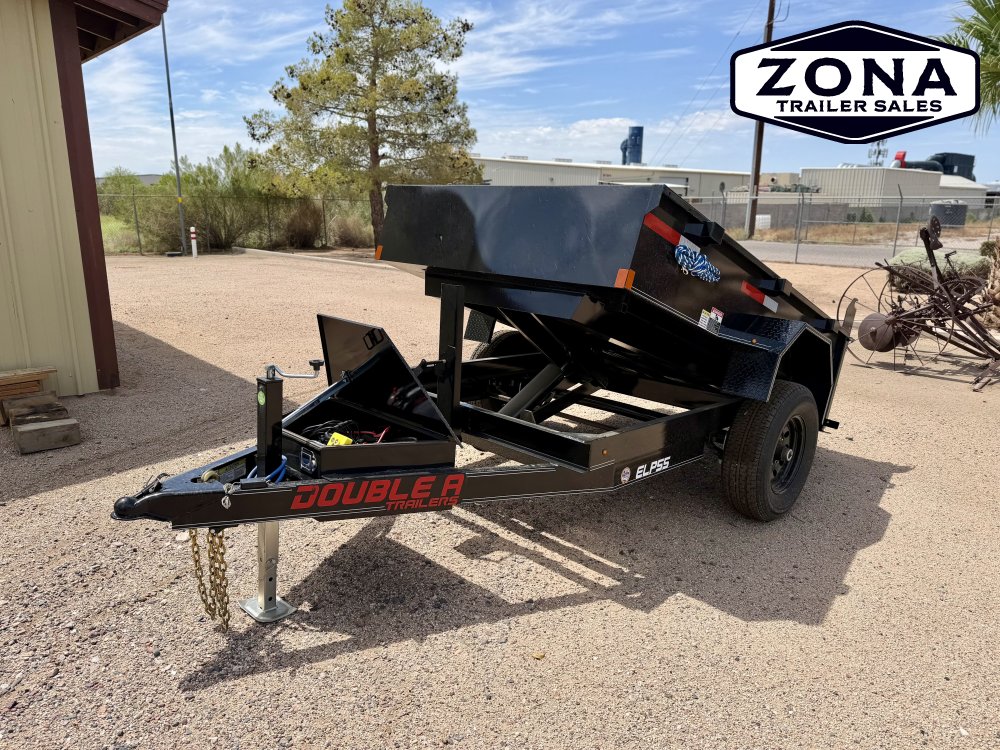
For example, Zona's October 15, 2026 inventory included a 2027 Double A ELP55 5x8 dump trailer, stock #35880. This is an example of the smaller configurations buyers may consider when their work does not require a large trailer.
Always compare actual payload and towing requirements before deciding that a smaller trailer will meet your needs.
Mid-Size Dump Trailers
Mid-size dump trailers may appeal to landscapers, maintenance companies and owners who need more bed space while keeping the trailer manageable for their tow vehicle.
Zona has also listed a 2026 Double A 6x10 scissor-lift dump trailer, stock #36154, providing another size and hoist configuration to compare.
Larger Dump Trailers
Longer dump trailers may be useful for businesses hauling larger volumes of material or working on more demanding jobs, provided the loaded weight remains within all applicable ratings.
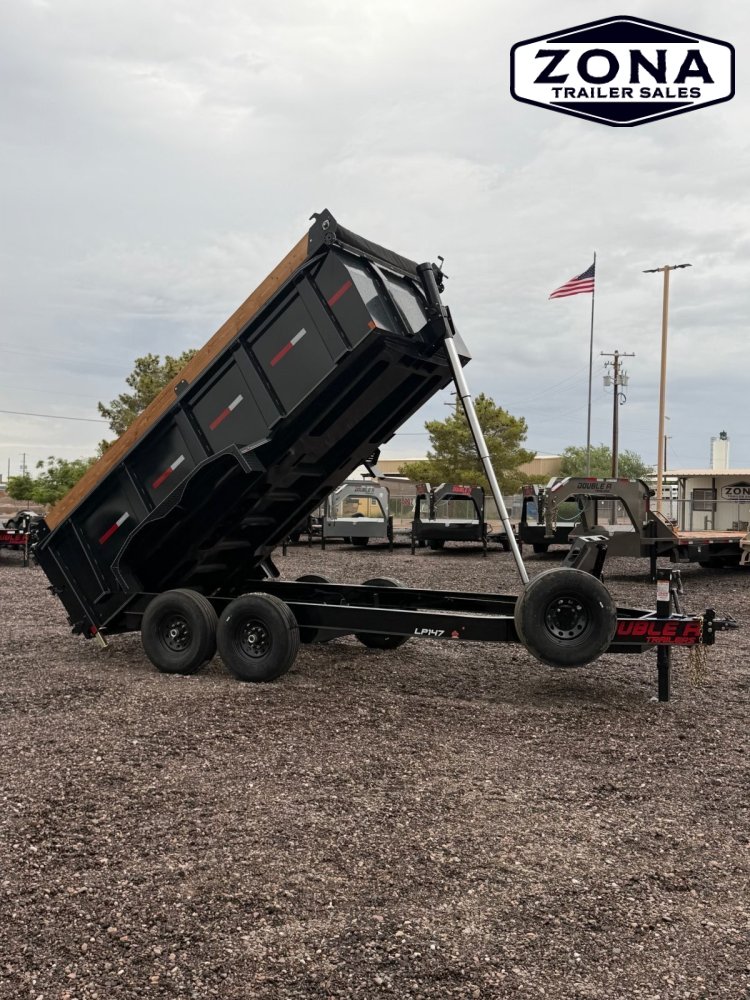
Zona's inventory has included 14-foot Double A telescopic dump trailers, such as the LP167 configuration, stock #36028.
Large trailers may have higher purchase costs and require a more capable truck. They can also be less convenient on tight residential properties.
For a closer look at selecting dimensions and capacity, read Zona's Dump Trailer Sizes and Capacity Guide.
From compact dump trailers to larger work configurations, Zona Trailer Sales offers options worth comparing by size, payload and equipment.
Explore Dump Trailer InventoryWhich Dump Trailer Features Matter for Business Use?
When buying a trailer to support paid work, focus on the features that affect your everyday jobs rather than choosing a model based on appearance alone.
- Payload: Determine how much material the trailer can actually carry after accounting for its empty weight.
- Bed dimensions: Match trailer length, width and side height to your typical materials and loading conditions.
- Hoist system: Compare scissor-lift and telescopic designs based on the complete trailer specifications.
- Rear gate: Consider how the gate opens and whether it suits your unloading needs.
- Floor and frame: Review the construction and suitability for the materials you expect to transport.
- Loading access: Consider ramps or other equipment-loading features if your work requires them.
- Maintenance: Think about access to hydraulic components, electrical equipment, tires and other service items.
- Tow vehicle compatibility: Make sure the loaded trailer can be safely handled by your truck and hitch.
The right trailer should fit your usual jobs while leaving room for reasonable business growth.
Do You Need a CDL or USDOT Number for a Dump Trailer Business?
Not every dump trailer business requires a commercial driver's license (CDL), but commercial vehicle rules can apply based on weight ratings and how the equipment is used.
According to the Arizona Department of Transportation, a Class A CDL is generally required for a combination vehicle with a gross combination weight rating of 26,001 pounds or more when the towed vehicle has a GVWR over 10,000 pounds, subject to applicable rules and exemptions.
That means you need to consider the ratings of both your truck and trailer, not just the trailer's size.
Federal Motor Carrier Safety Administration rules may also require a USDOT number for certain commercial operations. In general, interstate commercial operations using vehicles or combinations meeting the applicable 10,001-pound weight threshold can fall under USDOT registration requirements. Other circumstances can trigger additional requirements.
Licensing, vehicle registration, operating authority, insurance and waste-hauling requirements can vary based on the type of work and where you operate.
Before starting a hauling business, review the Arizona DOT's CDL requirements and the FMCSA's USDOT number guidance. Confirm which requirements apply to your individual business.
Can You Finance a Dump Trailer for Your Business?
Financing can be one option for purchasing a dump trailer while preserving cash for other startup expenses. Depending on the lender and your qualifications, it may allow you to spread the equipment purchase over time rather than paying the full amount upfront.
However, a monthly payment adds a fixed business expense. Review the total financing cost, loan terms, interest rate, down payment and how the payment fits your expected workload.
It's also important to budget for insurance, maintenance and periods when customer demand is lower than expected.
Zona Trailer Sales offers trailer financing options that qualified buyers can explore when comparing dump trailers.
Is Starting a Dump Trailer Business Worth It?
It can be worth exploring if you have a suitable tow vehicle, a realistic customer base and a clear understanding of the costs involved.
Before making the investment, identify the services you want to provide, research local demand and estimate how many paying jobs you would need to cover your expenses.
For an existing contractor or landscaper, a dump trailer may also be worthwhile because it supports work the business already performs.
The strongest reason to purchase is not simply that a dump trailer can generate income. It's that you have a practical use for it and a plan for finding customers who need those services.
Dump Trailer Business FAQs
What is the easiest way to make money with a dump trailer?
Yard cleanups, approved junk removal and smaller material deliveries can be starting points for some operators. The easiest option depends on your equipment, experience, local demand and disposal access.
Can you start a dump trailer business part-time?
Yes. Some operators begin with weekend or scheduled hauling jobs while maintaining other employment. You'll still need to account for insurance, applicable business requirements, equipment costs and the time needed to complete each job.
How much does a dump trailer cost?
Purchase prices vary widely by trailer size, GVWR, construction, hoist design and features. Compare current listings rather than relying on one average price, and include registration, insurance and equipment costs in your budget.
What size dump trailer should I buy for a business?
Choose based on your typical load weights, material volume, worksite access and truck capacity. A compact trailer may suit smaller residential jobs, while larger operations may need more bed space and payload.
Do I need a CDL to make money with a dump trailer?
Not necessarily. CDL requirements depend on vehicle weight ratings, the combination being operated and other applicable rules. Check your truck and trailer ratings and confirm your licensing requirements before operating commercially.
Can I use a dump trailer for construction debris?
Yes, provided the materials are permitted, properly secured and within the trailer's weight ratings. Confirm disposal-site rules and any special handling requirements before accepting the load.
Can I finance my first dump trailer?
Financing may be available to qualified buyers through Zona Trailer Sales. Eligibility, rates, down payments and terms depend on the lender, buyer and trailer.
Put the Right Dump Trailer to Work
Whether you're starting a hauling business or adding services to an existing operation, compare dump trailers that fit your truck, budget and typical jobs. Zona Trailer Sales can help you explore the options.
Shop Dump TrailersExplore FinancingBusiness income depends on customer demand, operating costs and individual circumstances. Trailer inventory and specifications are subject to change. Always verify trailer and tow vehicle ratings and the licensing, insurance, transportation and disposal requirements applicable to your business before beginning commercial operations.