

A 7-pin trailer connector carries more than just running lights and turn signals. On many larger trailers, the connection can also carry electric-brake power, a 12-volt auxiliary circuit and a reverse-light circuit in addition to the basic lighting functions.
When trailer lights stop working, brakes respond incorrectly or the truck says the trailer is disconnected, the problem may be in the plug, socket, ground connection or wiring. Understanding what each circuit does makes troubleshooting much easier, but never assume wire color alone tells you where a circuit belongs.
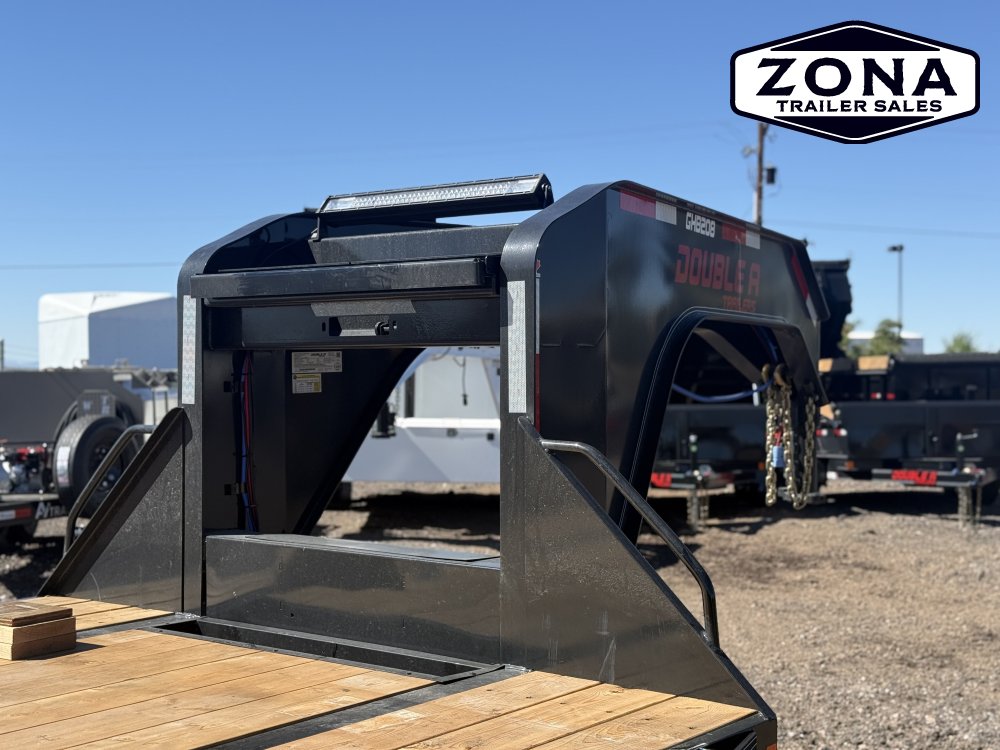
A bad ground, damaged connector or wiring problem can affect several trailer systems at once. Zona Trailer Sales can help you check trailer wiring and other service concerns.
Schedule Trailer ServiceWhat Is a 7-Pin Trailer Connector?
A 7-pin or 7-way trailer connector provides seven electrical circuits between the tow vehicle and trailer.
Compared with a basic 4-way connector, a 7-way connection can support additional trailer functions that are common on larger horse, livestock, equipment, dump and other trailers.
A typical 7-way setup may provide circuits for:
- Ground
- Tail and running lights
- Left turn signal and brake light
- Right turn signal and brake light
- Electric trailer brakes
- 12-volt auxiliary power
- Reverse or auxiliary circuit
Exactly how those circuits are arranged depends on the connector standard and equipment being used.
7-Pin Trailer Wiring Pinout: What Does Each Circuit Do?
The safest way to understand trailer wiring is by circuit function rather than wire color.
| Circuit | What It Does | Common Problem Symptoms |
|---|---|---|
| Ground | Provides the electrical return path between trailer and tow vehicle | Multiple lights malfunction, lights flicker or several circuits behave strangely |
| Tail / Running Lights | Powers running, marker and applicable clearance lights | Trailer is dark when tow-vehicle lights are on |
| Left Turn / Stop | Operates the left turn signal and applicable stop lamp | Left turn signal or brake light fails |
| Right Turn / Stop | Operates the right turn signal and applicable stop lamp | Right turn signal or brake light fails |
| Electric Brakes | Carries brake-controller output to compatible electric trailer brakes | Weak, inconsistent or missing electric-brake response |
| 12V Auxiliary | Provides auxiliary power for compatible trailer systems | Trailer battery or auxiliary equipment does not receive expected power |
| Reverse / Auxiliary | May operate reverse lights or another designated auxiliary function | Reverse-related trailer equipment does not respond |
Important: This table describes common circuit functions, not a universal physical pin position or wire-color diagram. Verify the connector manufacturer's diagram and the wiring on the actual tow vehicle and trailer before moving or reconnecting wires.
Is a 7-Pin Connector the Same as a 7-Way Connector?
In everyday trailer terminology, people often use 7-pin and 7-way to describe the same general type of multi-circuit trailer connection.
But there are different 7-conductor connector designs, so the terminology can create confusion.
The round 7-way blade connector commonly found on pickups and recreational or equipment trailers should not automatically be wired according to a diagram for a different 7-conductor commercial connector.
Always identify the actual connector before using a pinout diagram.
7-Pin Trailer Wire Colors: Are They Standard?
Do not assume trailer wire colors are universal.
Manufacturers, previous owners and repair work can all result in different color combinations.
You may encounter common color conventions, but a color chart should never replace testing or the wiring diagram for the specific trailer and connector.
If you are repairing an unknown trailer harness, identify which circuit actually operates each function. A blue wire may commonly be associated with electric brakes in some trailer wiring systems, for example, but you should verify the circuit instead of assuming every trailer was wired that way.
7-Pin vs. 4-Pin Trailer Wiring
A 4-way connector is generally intended for basic trailer lighting functions.
It commonly provides:
- Ground
- Running lights
- Left turn / stop
- Right turn / stop
A 7-way connector adds circuits that can support equipment such as electric trailer brakes and auxiliary power.
| Function | Typical 4-Way | Typical 7-Way |
|---|---|---|
| Basic Lighting | Yes | Yes |
| Electric Brake Circuit | No dedicated circuit | Commonly included |
| 12V Auxiliary Power | No dedicated circuit | Commonly included |
| Reverse / Auxiliary Circuit | No dedicated circuit | May be included |
That is why larger trailers with electric brakes often use a 7-way connection instead of a basic 4-way plug.
How to Test a 7-Pin Trailer Connector
When troubleshooting, it helps to determine whether the problem starts on the truck side or the trailer side.
A circuit tester or multimeter can be used to check for the expected signals at the tow vehicle's connector.
1. Inspect the Plug and Socket First
Before testing voltage, look closely at both halves of the connection.
Check for:
- Corrosion
- Bent or damaged contacts
- Dirt or moisture
- Loose wiring at the back of the connector
- Cracked housings
- A plug that does not seat securely
2. Verify the Ground
A poor ground can create symptoms that look like several unrelated electrical failures.
If multiple lights behave strangely at the same time, flicker, become dim or interact with another circuit, inspect the ground connection early in the troubleshooting process.
Check that ground connections are secure and attached to clean, appropriate contact points according to the trailer and connector manufacturer's wiring design.
3. Test One Tow-Vehicle Function at a Time
With the connector identified correctly, test circuits individually.
For example:
- Turn on the tow vehicle's running lights and verify the corresponding trailer-connector circuit.
- Activate the left turn signal and test that circuit.
- Activate the right turn signal and test that circuit.
- Apply the brakes and verify the expected stop-light circuits.
- Test additional circuits according to the vehicle and equipment manufacturer's procedure.
If the correct signal is reaching the truck-side socket but the trailer function still does not work, the fault is likely farther downstream in the trailer plug, harness, ground, fixture or component.
4. Don't Short Adjacent Pins
Use properly insulated test equipment and avoid allowing a probe or jumper to bridge multiple connector contacts.
Accidentally shorting circuits can blow a fuse or damage electrical equipment.
How to Test Trailer Lights
You can perform a basic lighting check without taking anything apart.
With the trailer connected:
- Turn on the tow vehicle's headlights and confirm the trailer's running lights operate
- Test the left turn signal
- Test the right turn signal
- Apply the brakes and verify the stop lamps
- Activate hazard flashers and walk around the trailer
- Check marker, clearance and license-plate lighting where equipped
Federal Motor Vehicle Safety Standard No. 108 governs required lamps, reflective devices and associated equipment on trailers and other motor vehicles. For background on federal lighting requirements, see the National Highway Traffic Safety Administration's FMVSS 108 guidance.
If the lights, connector or trailer brakes are behaving inconsistently, schedule a trailer service check before the next haul.
Schedule Trailer ServiceCommon 7-Pin Trailer Wiring Problems
Bad Ground Connection
Ground problems are a common place to look when multiple electrical functions fail or behave unpredictably.
A poor connection can increase resistance and prevent circuits from operating normally.
Corrosion Inside the Connector
A trailer plug lives in a rough environment. Water, dirt, road debris and weather can reach the connector over time.
Corroded contacts can interrupt a circuit even when the wiring behind the plug is intact.
Loose or Broken Wires
Wiring near the tongue and connector moves every time the trailer turns and every time the plug is connected or disconnected.
Look for pulled connections, damaged insulation and wires that have broken near terminals or strain points.
Blown Tow-Vehicle Fuse
Some tow vehicles protect trailer circuits with separate fuses or relays.
If one entire function disappears, check the tow vehicle owner's manual before assuming the trailer itself is at fault.
Damaged Trailer Wiring
Wires routed under a trailer can be damaged by road debris, abrasion, corrosion or previous repairs.
Pay attention to places where wiring passes through metal, bends sharply or enters junction boxes and light housings.
Truck and Trailer Wired Differently
This can happen with modified or older equipment.
A plug may physically fit the socket while individual circuits do not correspond correctly.
If a newly connected trailer behaves completely differently from your other trailers, verify the actual connector wiring instead of immediately replacing lights or brakes.
What Does the Brake Pin Do on a 7-Way Connector?
On a trailer with conventional electric brakes, the brake circuit carries the output from the tow vehicle's compatible brake controller to the trailer's electric brake assemblies.
The controller varies braking output based on its design and settings.
If that electrical circuit is interrupted, the trailer's electric brakes may not receive the intended braking signal.
Wiring is only one part of the brake system. Weak or uneven braking can also involve brake adjustment, worn components, controller settings or other problems, so do not assume every brake complaint is a connector fault.
What Does the 12-Volt Pin Do?
A 7-way connector can include a 12-volt auxiliary circuit from the tow vehicle.
Depending on the trailer and tow vehicle, that circuit may support compatible auxiliary equipment or provide power to a trailer electrical system.
It should not be assumed to charge every trailer battery fully or operate every accessory. Circuit protection, wire size, vehicle configuration and trailer equipment all affect what that circuit is designed to do.
Why Does My Trailer Say "Disconnected" When It Is Plugged In?
A tow vehicle may display a trailer-connection warning when it cannot detect the electrical connection it expects.
Possible causes include:
- Loose connector
- Dirty or corroded contacts
- Damaged plug or socket
- Broken wiring
- Ground fault
- Brake-circuit problem
- Tow-vehicle wiring, fuse or controller issue
The exact detection system varies by vehicle, so consult the truck manufacturer's troubleshooting information for the specific warning displayed.
Why Wiring Matters More on Working Trailers
Equipment trailers, hot shot trailers and other work trailers can depend on the electrical connection for several important functions at the same time.
That is why a damaged connector should not be dismissed simply because one or two lights still work.
If you are comparing larger trailers for work use, browse Zona's equipment trailers.
For buyers planning longer commercial loads, Zona's Hot Shot Trailer Guide explains the trailer configurations commonly used for that type of hauling.
Check Wiring Before Every Trip
You do not need to pull out a multimeter before every haul, but you should verify the trailer's basic electrical functions.
Before towing:
- Make sure the plug is fully seated
- Confirm running lights work
- Check both turn signals
- Check brake lights
- Confirm the brake controller recognizes the trailer when applicable
- Inspect visible wiring for damage
- Confirm the breakaway system is connected and maintained according to its manufacturer's instructions
A short walk-around can catch a loose plug or failed light before it becomes a problem on the road.
Having Trouble With Your Trailer Wiring?
If trailer lights, wiring, connectors or brake-related electrical systems are not working correctly, Zona Trailer Sales can help you diagnose the problem and determine what service is needed.
Schedule Trailer Service7-Pin Trailer Wiring FAQs
What are the seven wires on a trailer plug?
A typical 7-way trailer connection can carry ground, running lights, left turn and stop, right turn and stop, electric brakes, 12-volt auxiliary power and a reverse or other auxiliary circuit. The exact connector arrangement should be confirmed using the wiring information for the actual equipment.
Are all 7-pin trailer plugs wired the same?
No. Different connector designs and wiring conventions exist. Even when two connectors look similar, do not move wires based only on color or a generic internet diagram. Identify the connector and verify each circuit.
What color wire is for trailer brakes?
Blue is commonly used for the electric-brake circuit in some trailer wiring systems, but wire colors are not reliable enough to identify an unknown circuit by themselves. Verify the circuit using the manufacturer's diagram or proper electrical testing.
Why do my trailer lights work but the brakes don't?
The lighting and electric-brake functions use different circuits, so working lights do not prove that the brake circuit is functioning. Possible causes include the connector, wiring, ground, brake controller, brake adjustment or brake components.
Can a bad ground cause trailer lights to stop working?
Yes. A poor ground can cause dim lights, flickering, intermittent operation or strange interaction between circuits. Inspect the ground when multiple electrical problems appear at once.
How do you test a 7-pin trailer plug?
First identify the connector and its correct pinout. Then use an appropriate circuit tester or multimeter to check individual functions at the tow-vehicle socket while each function is activated. Verify the ground first and avoid allowing test probes to short adjacent contacts.
Why does my trailer wiring keep blowing a fuse?
A repeated blown fuse can indicate a short circuit, damaged wiring, incorrect connection or faulty component. Do not keep installing larger fuses. Find and repair the underlying electrical problem using the correct circuit protection specified by the vehicle or trailer manufacturer.
Do I need a 7-pin plug for electric trailer brakes?
Conventional electric trailer brakes require an electrical brake-control circuit between the tow vehicle and trailer. A 7-way connector is a common way to provide that circuit along with lighting and auxiliary functions. The tow vehicle also needs the appropriate brake-control equipment for the trailer's braking system.
If your trailer lights, plug, wiring or electric-brake connection is giving you trouble, have the system checked before putting the trailer back to work.
Schedule Trailer ServiceTrailer connector designs, wiring colors and electrical systems vary by manufacturer, model and previous modifications. Always verify the wiring diagram and service information for the specific tow vehicle, connector and trailer before making electrical repairs. Disconnect power as required before servicing wiring, and use a qualified technician when you are not comfortable diagnosing electrical or brake-related systems.